Things
Early work, studio documentation, exhibition statements, transcribed studio notes and other things.
Early work
2020-22
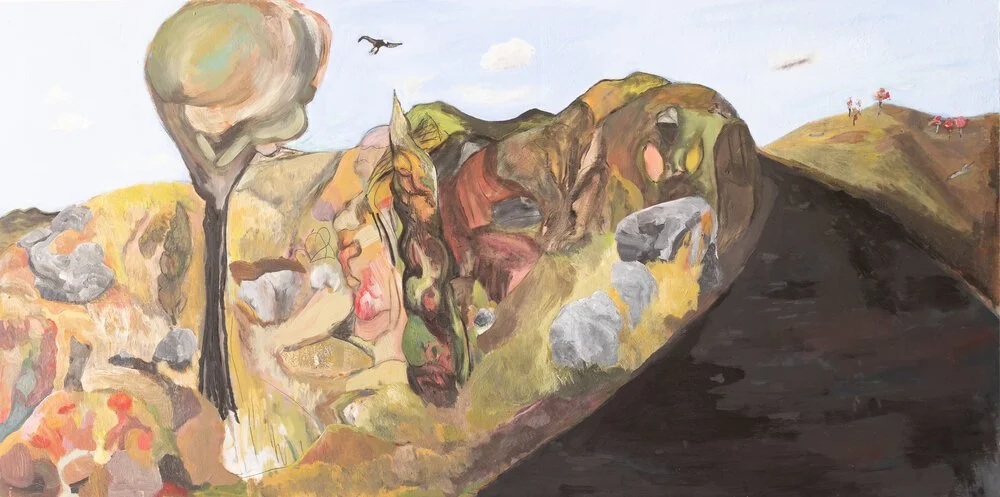
Road near Armidale, 2020. Acrylic on marine ply, 50 x 100cm (first painting)
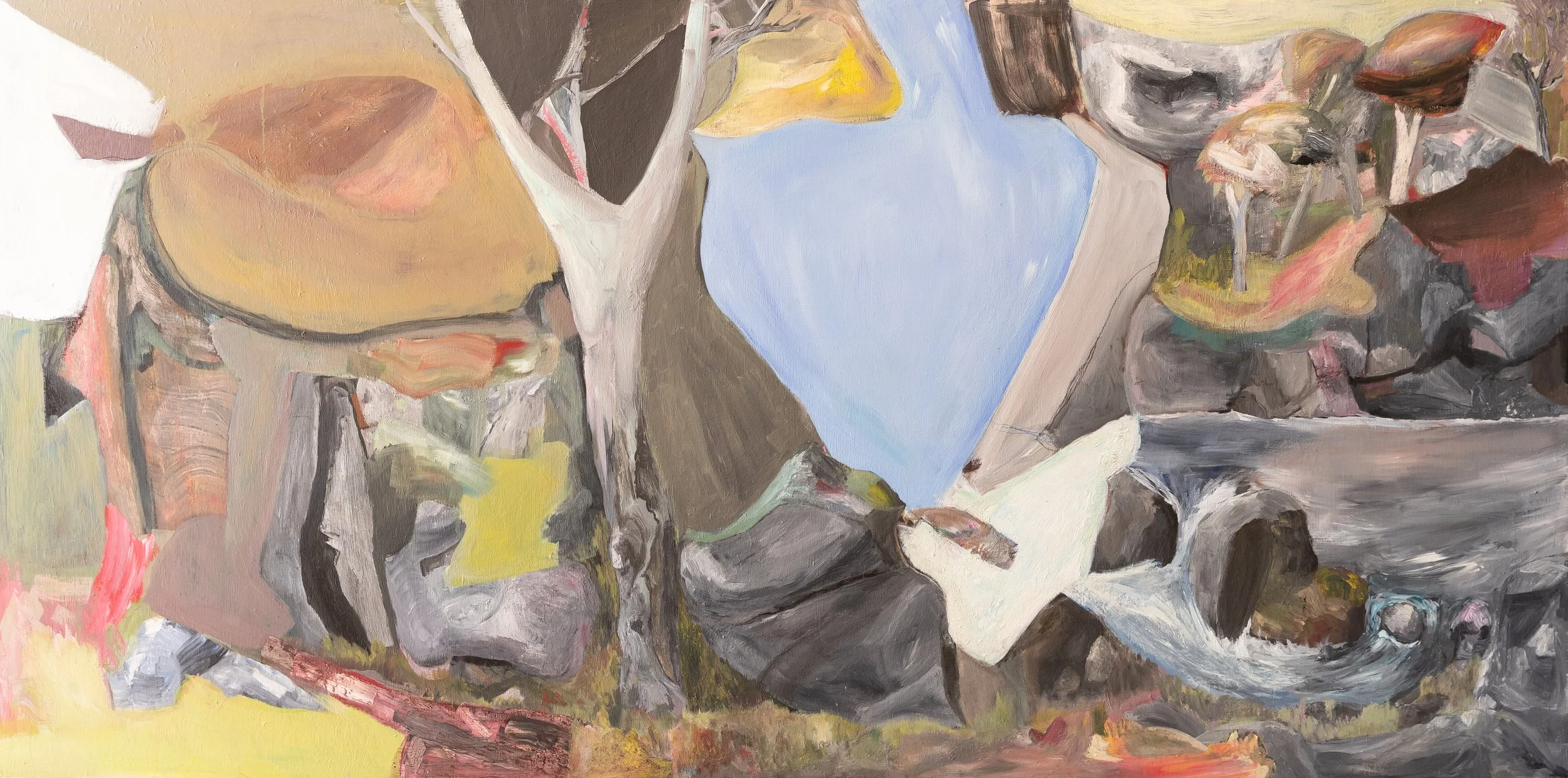
Afternoon at the Blue Hole, 2020. Acrylic on marine ply, 50 x 100cm (second painting)
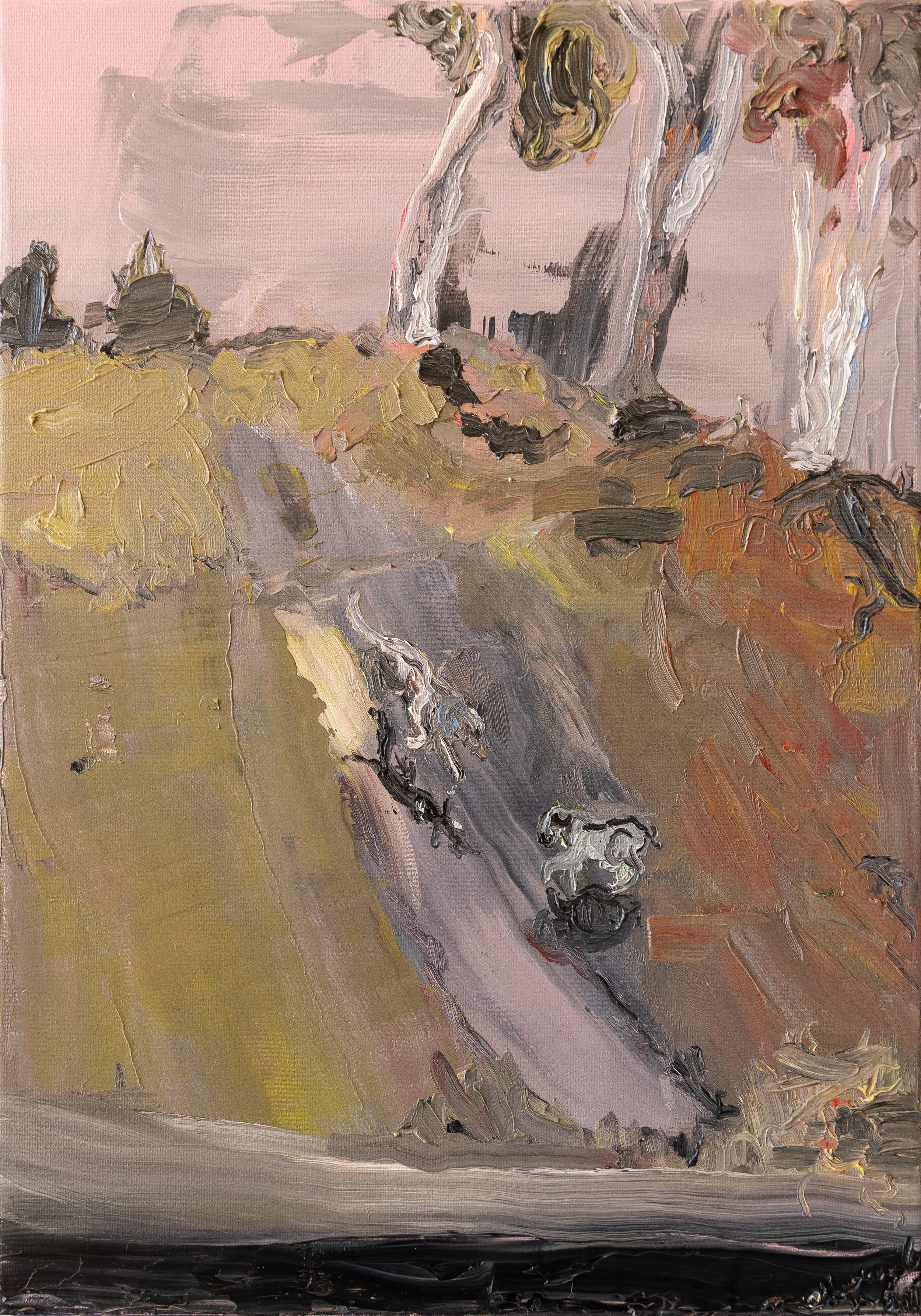
Rainy day with dogs (Mount Steel, Moore Park), 2021. Oil on canvas, 35 x 22cm (first oil painting) - (private collection)
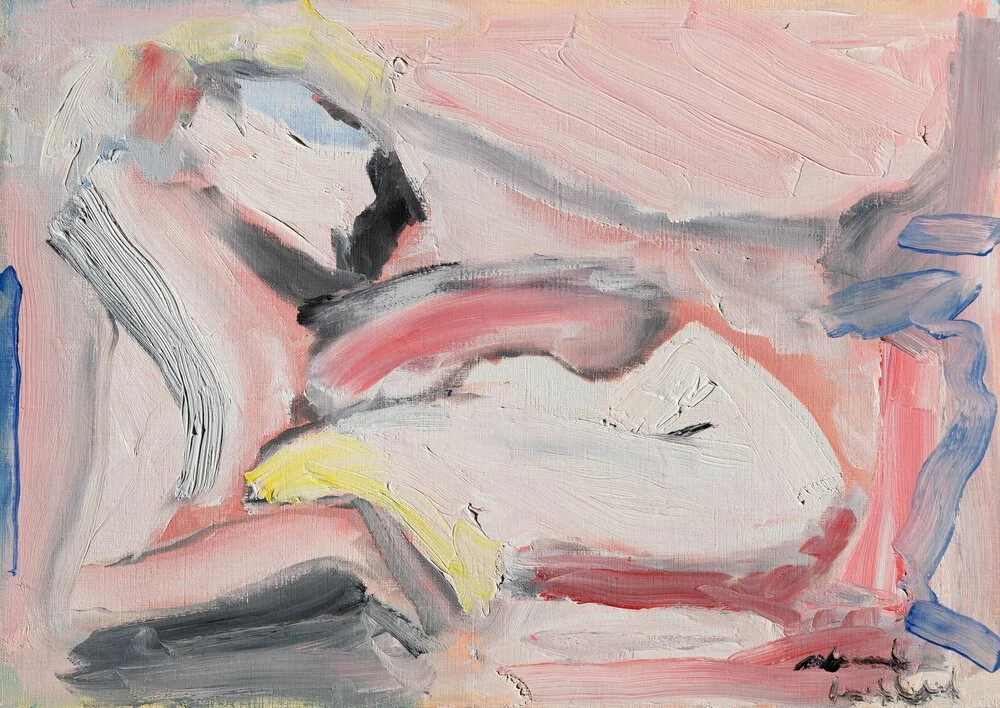
Another afternoon in Centennial Park, 2021. Oil on canvas paper, A4 (private collection)
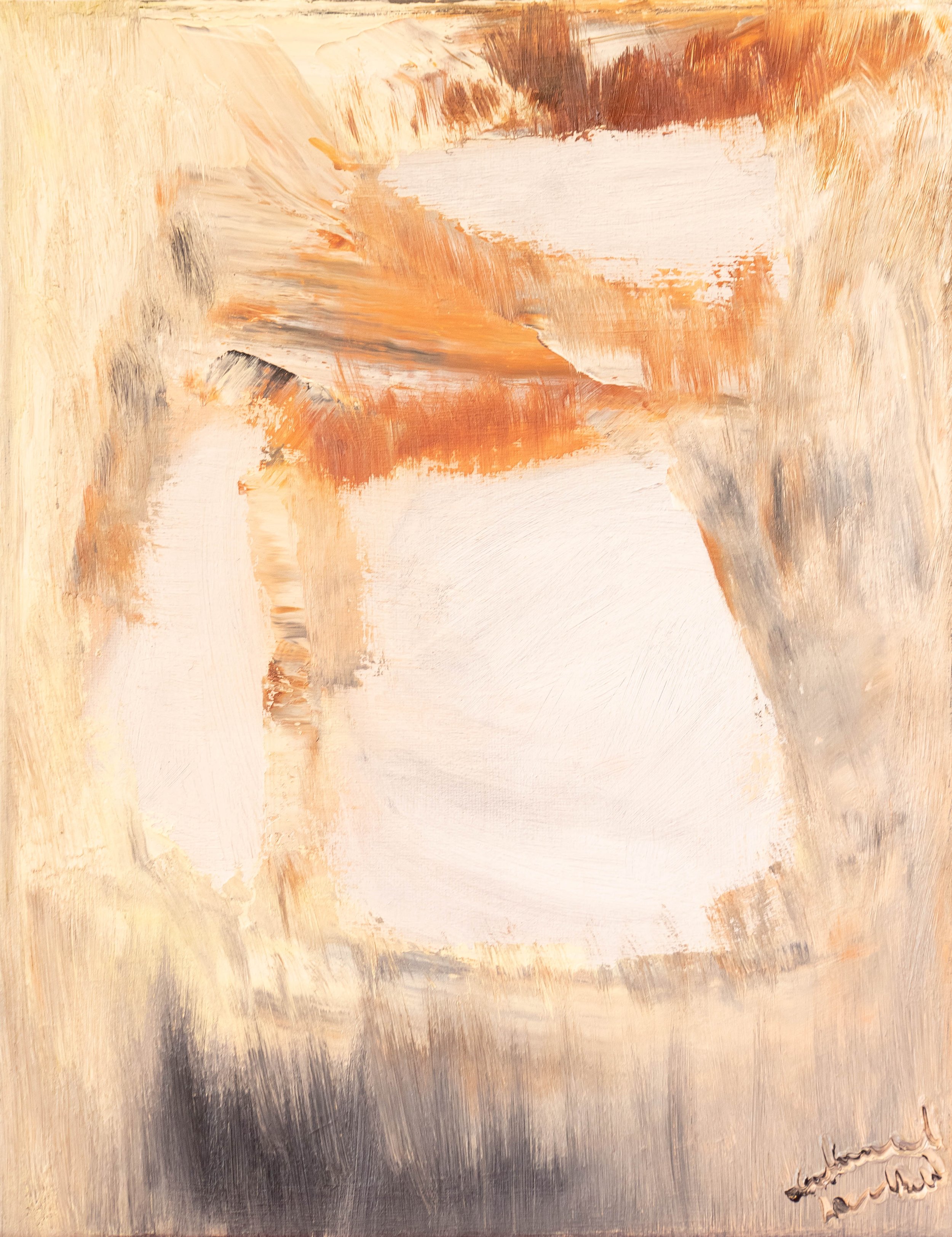
Steep hill with grass and rocks, 2021. Oil on canvas, 35 x 22cm (private collection)
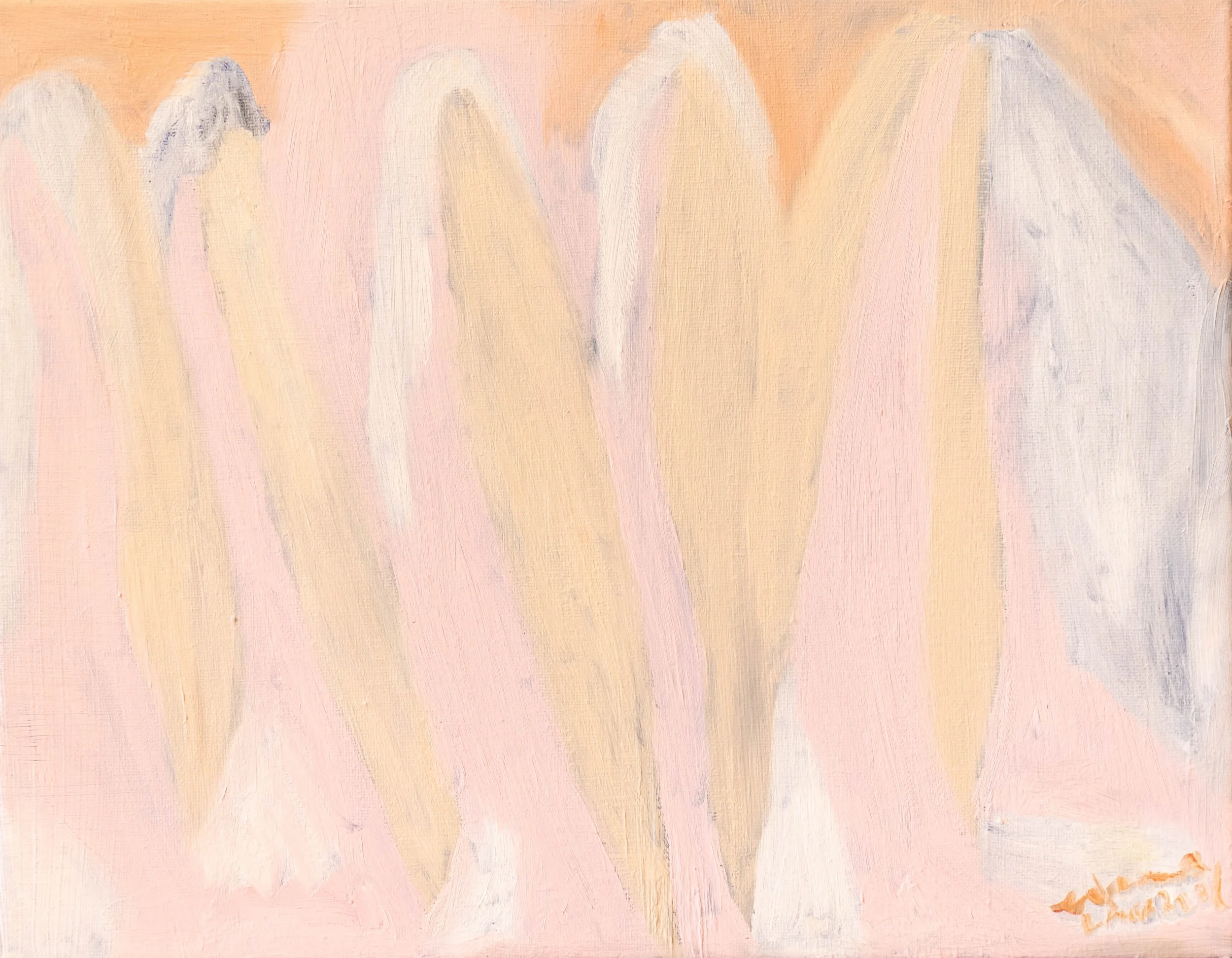
Five Pelicans, 2021. Oil on canvas, 35 x 22cm (private collection)
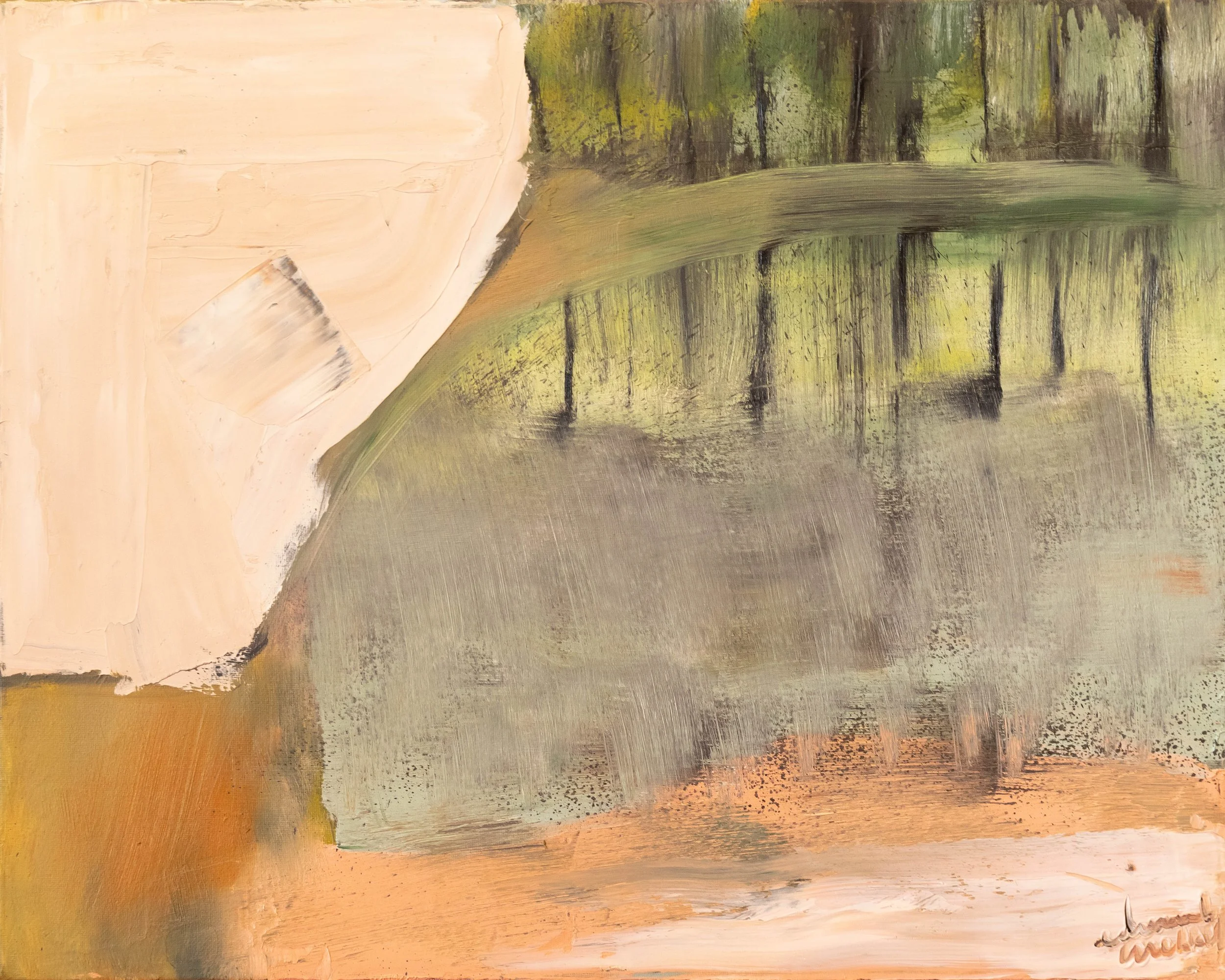
Dusk (Centennial Park), 2021. Oil on canvas, 40 x 50cm (private collection)
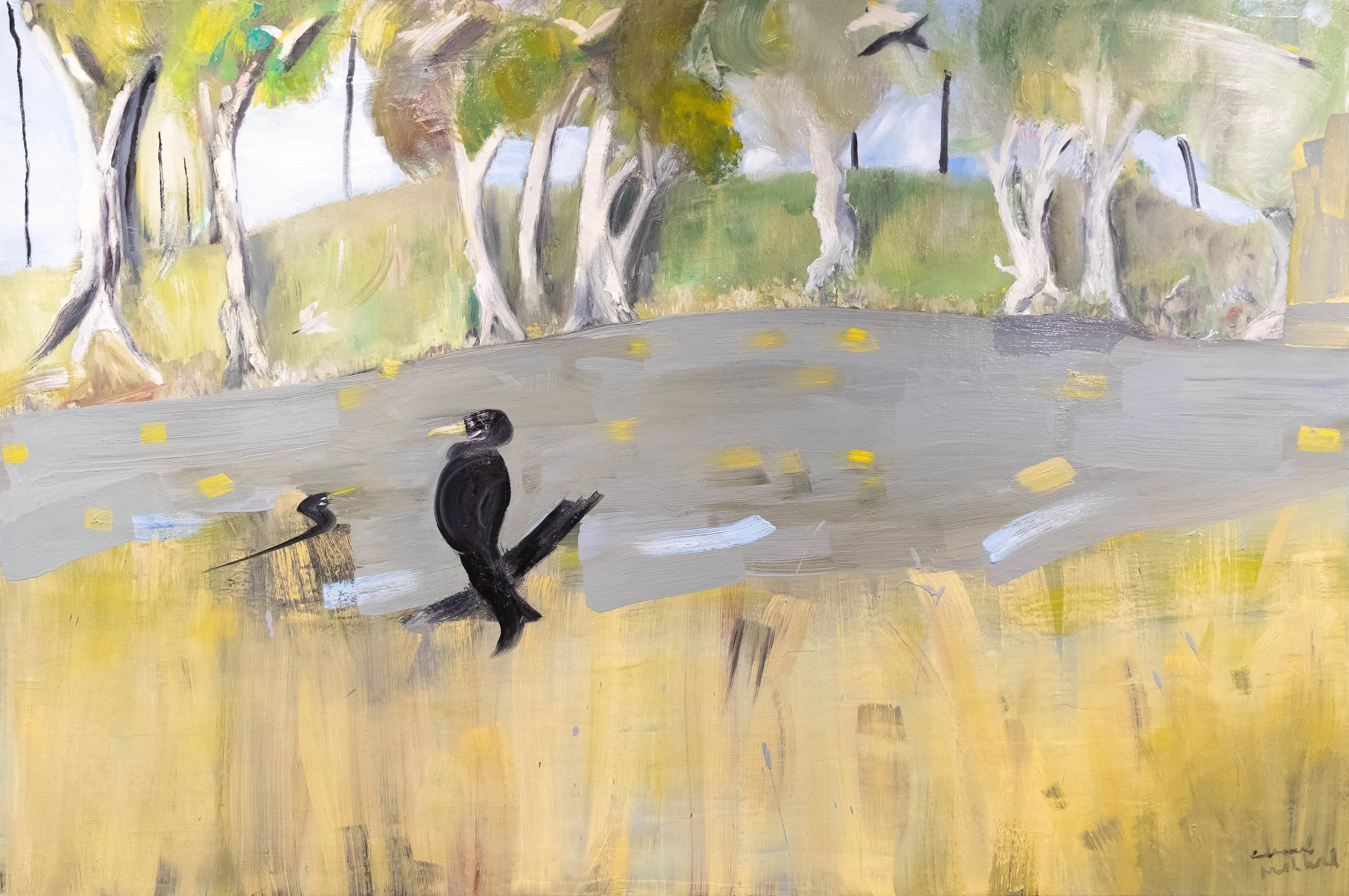
2 Great Shags, 2021. Oil on canvas, 100 x 150cm (private collection)
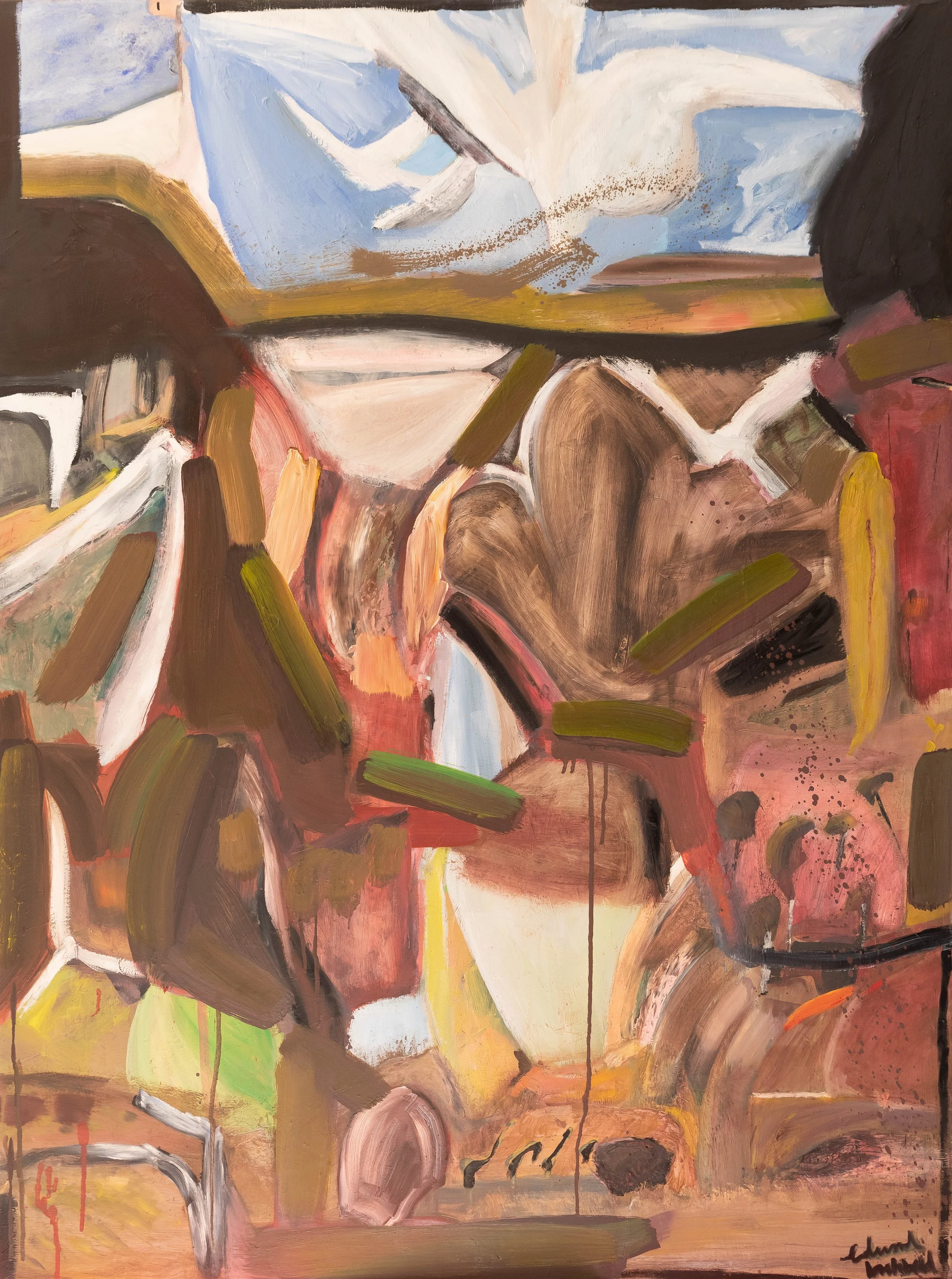
Postcard for Bec, 2021. Oil on canvas, 121 x 91cm (private collection)
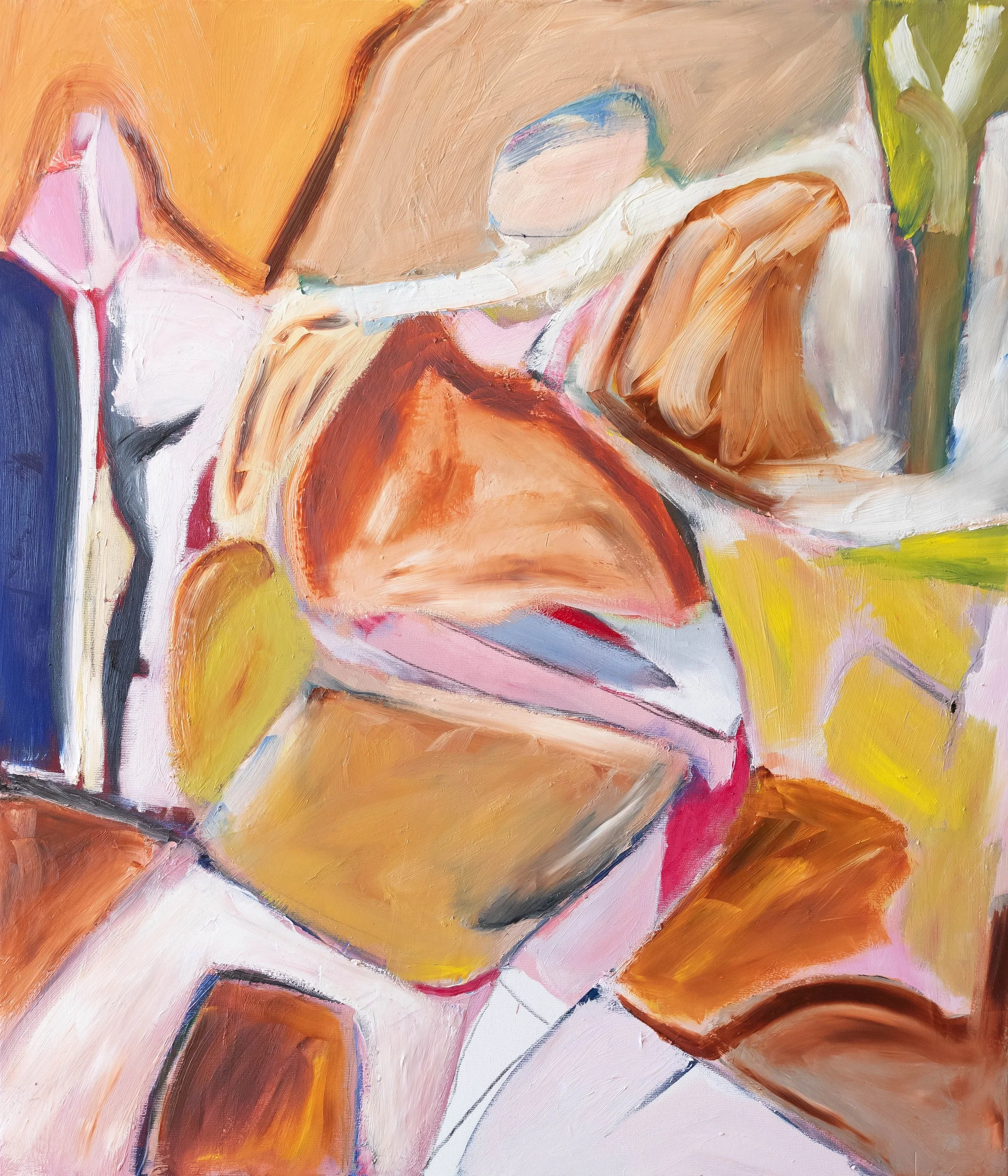
Saturday, 2021. Oil on canvas, 75 x 61cm (private collection)
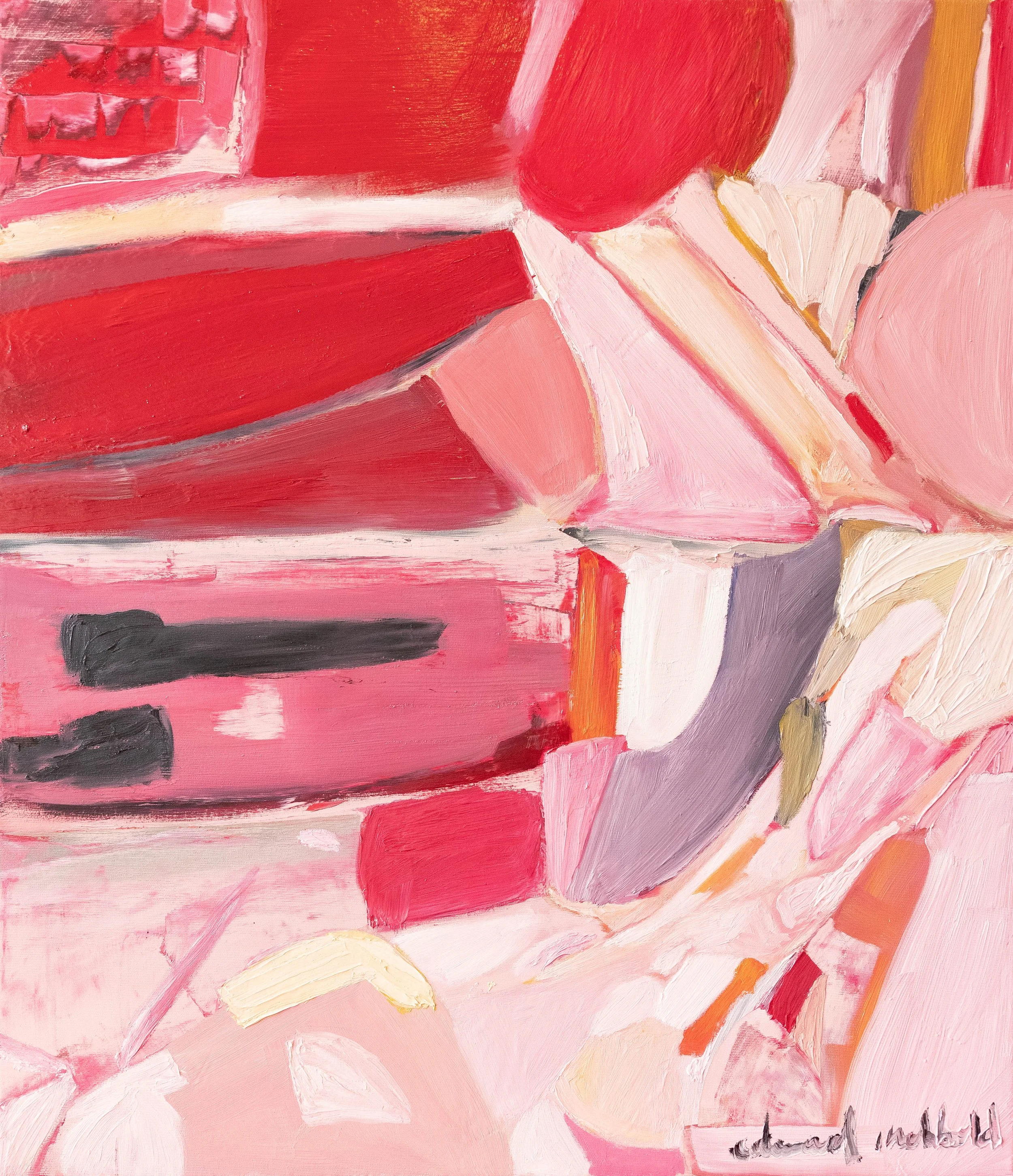
6pm, 2021. Oil on canvas, 75 x 61cm (private collection)
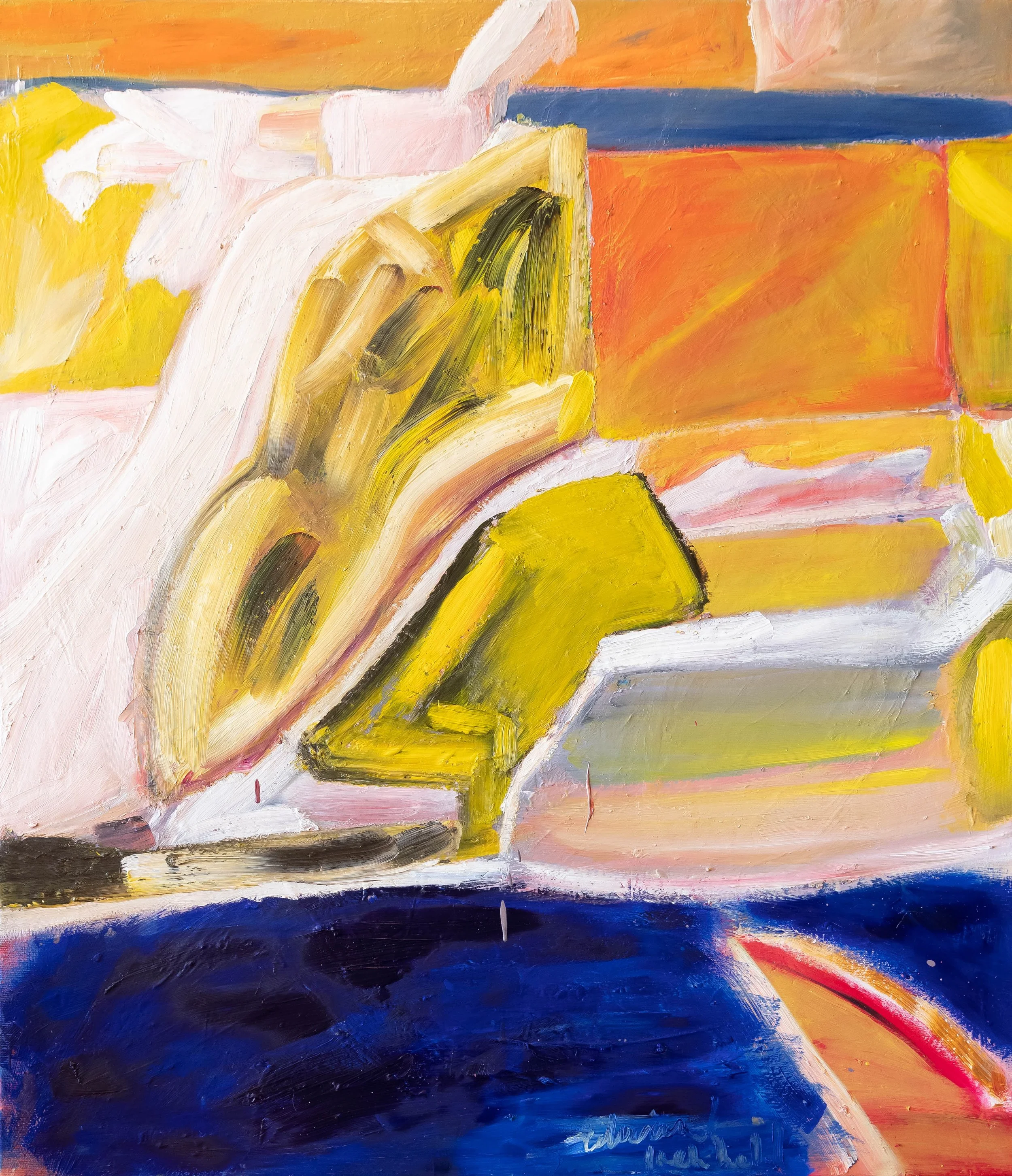
Centennial Park #21, 2021. Oil on canvas, 75 x 61cm (private collection)
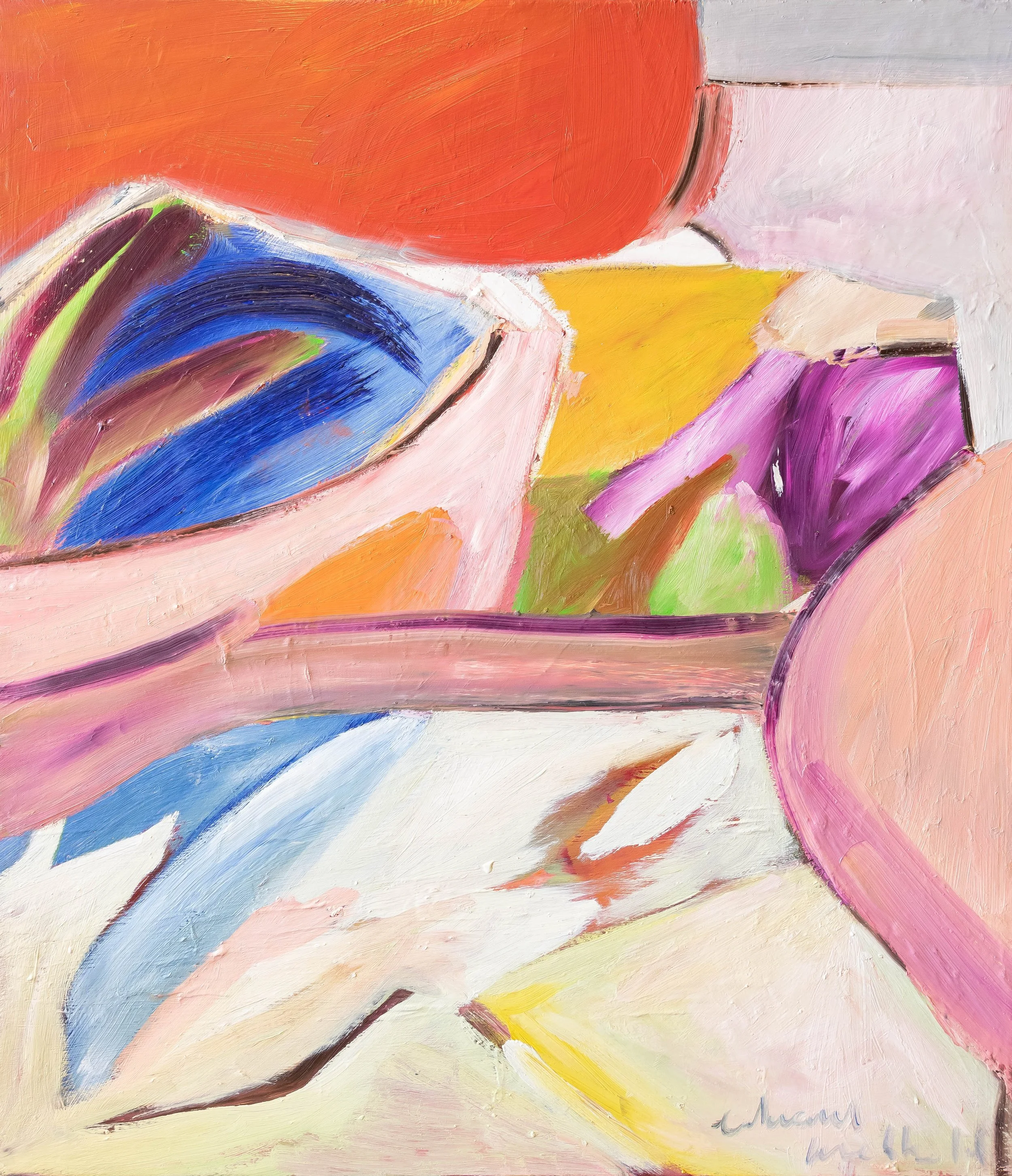
Sunday, 2021. Oil on canvas, 75 x 61cm (private collection)
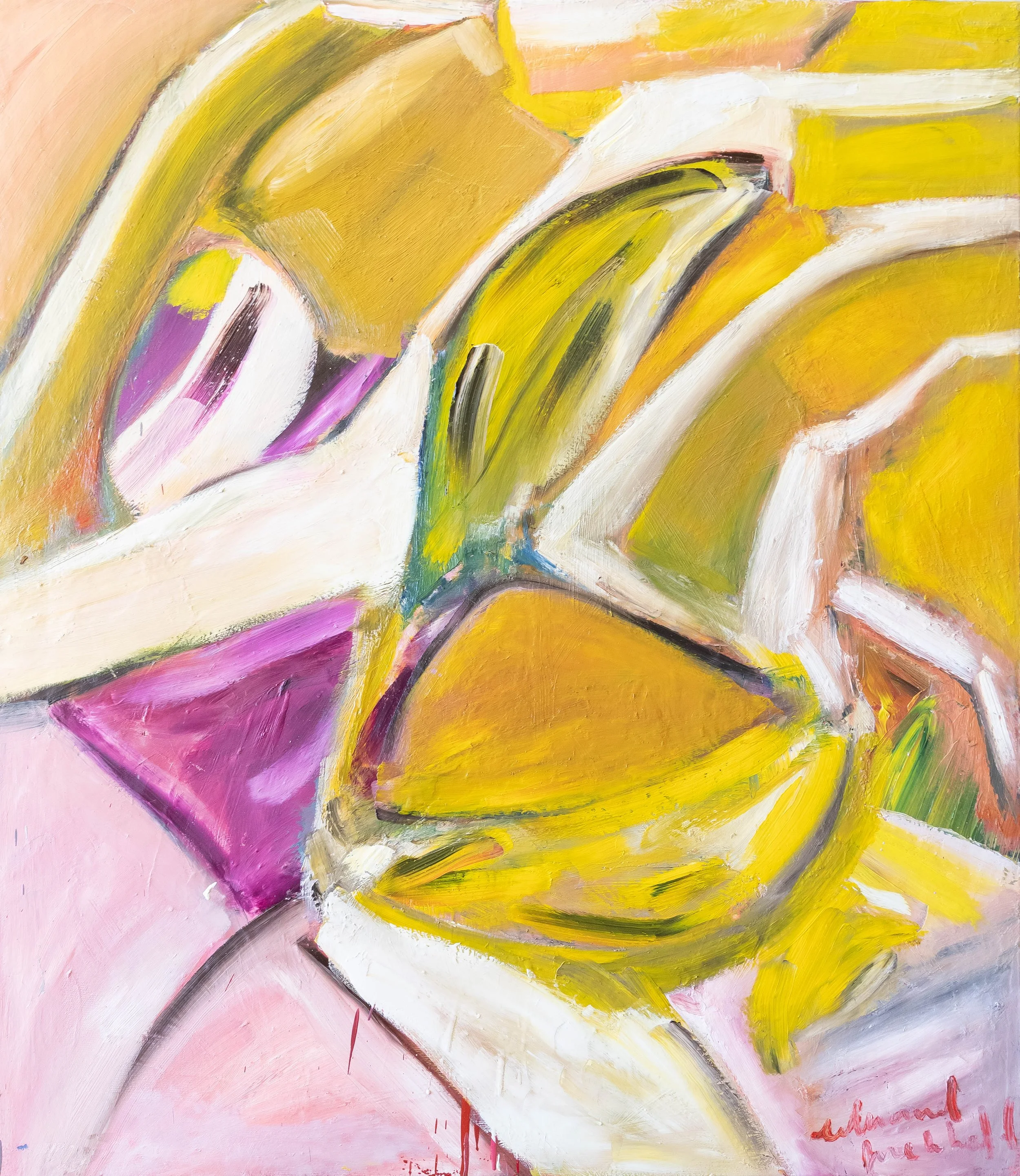
Centennial Park #27, 2021. Oil on canvas, 75 x 61cm (private collection)
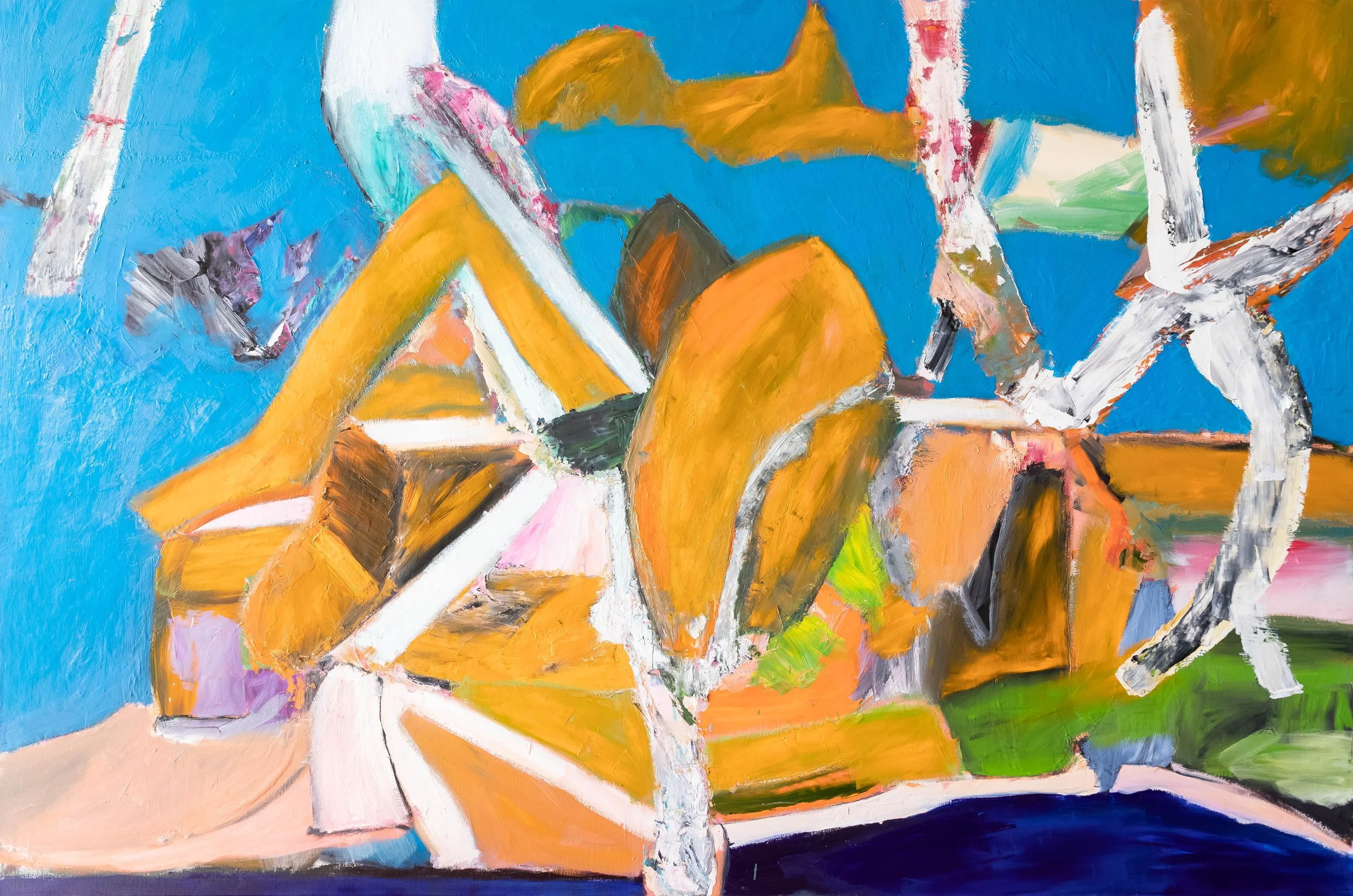
Paperbarks, 2021. Oil on canvas, 100 x 150cm (private collection)
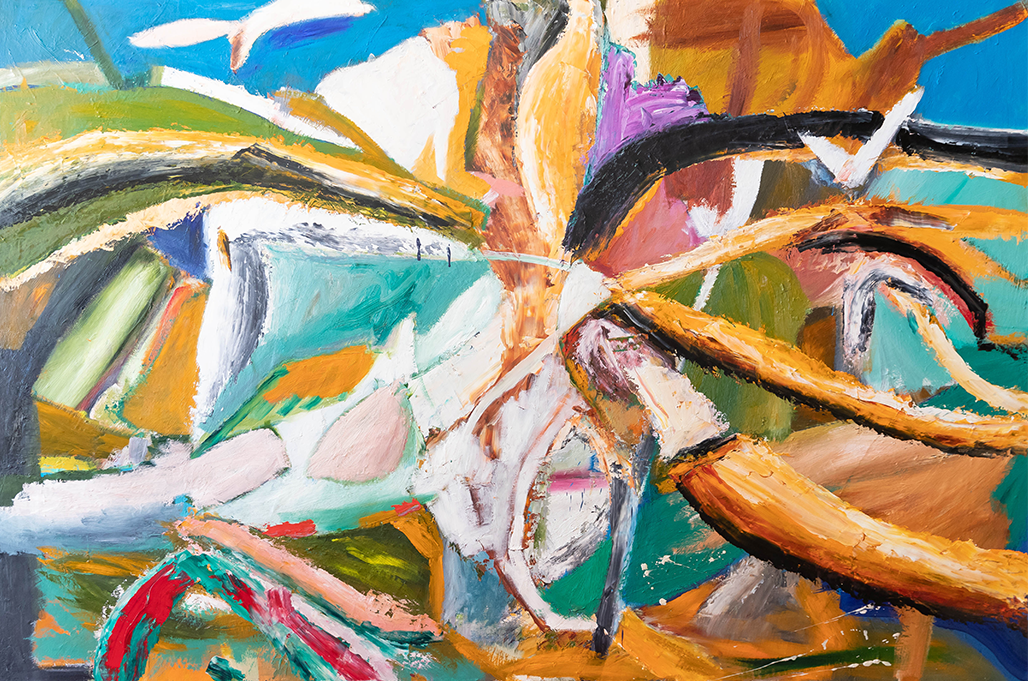
Birds landing, 2021. Oil on canvas, 100 x 150cm (private collection)
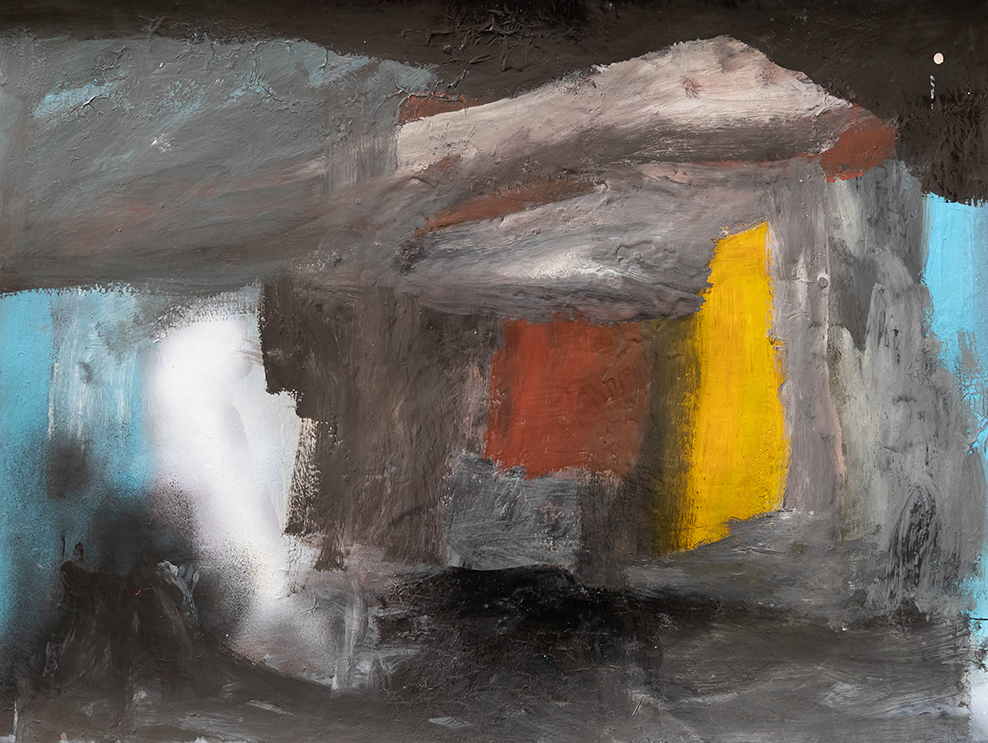
Absent Friends, 2022. Enamel sign paint on paper, 46 x 61cm (private collection)
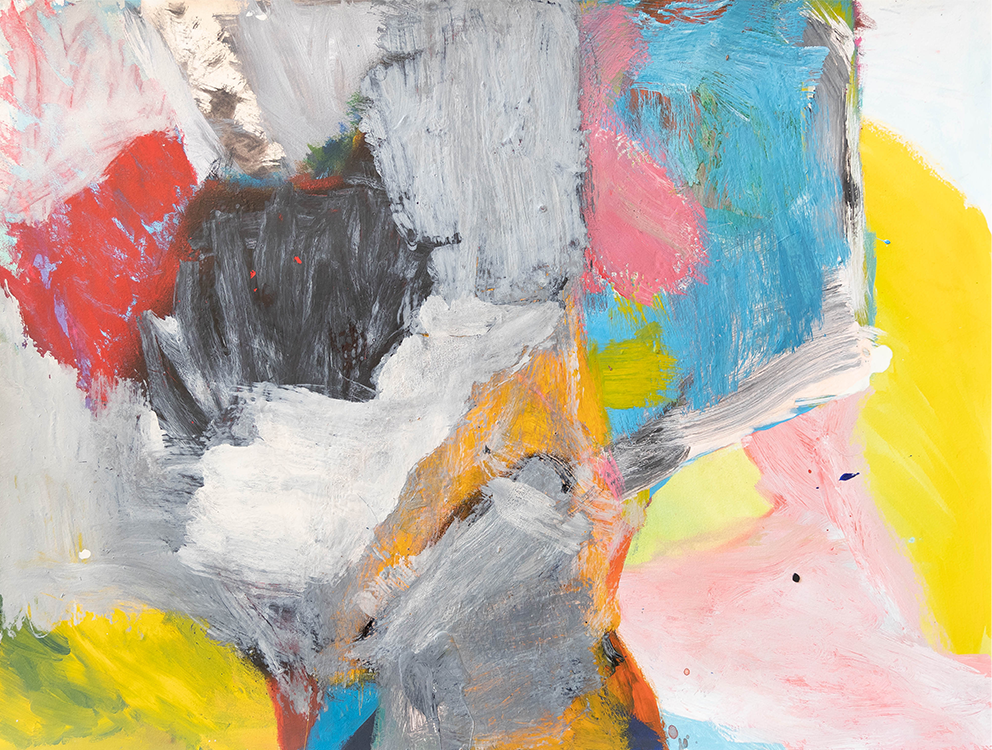
The Hours, 2022. Enamel sign paint and mixed media on paper, 46 x 61cm
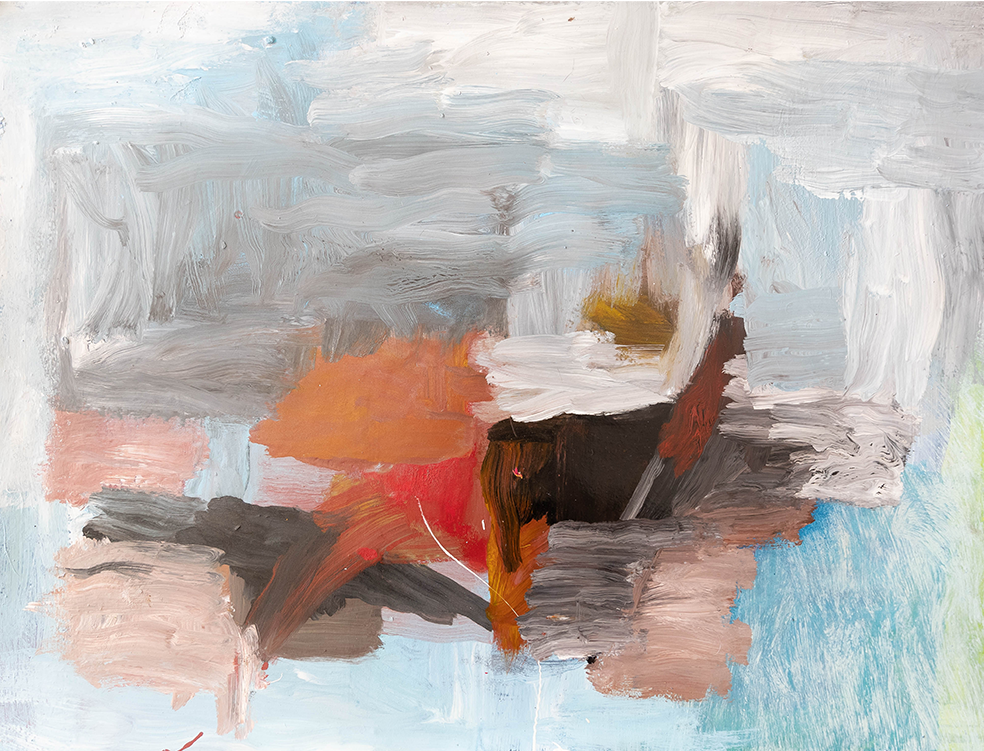
Restless, 2022. Enamel sign paint on paper, 46 x 61cm
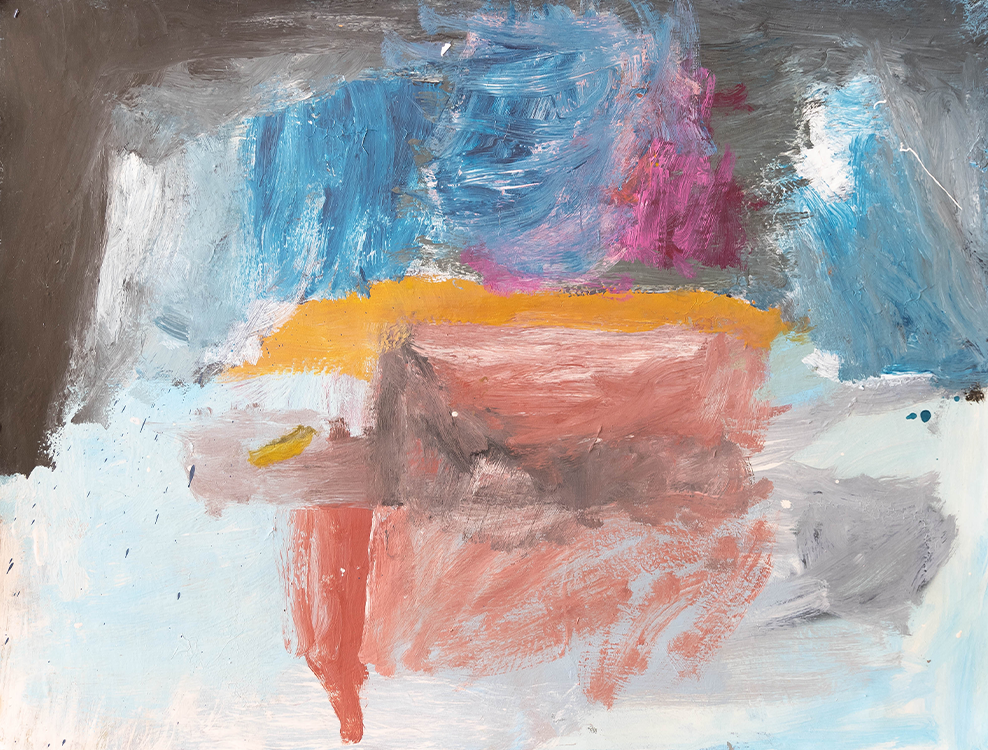
Witness, 2022. Enamel sign paint on paper, 46 x 61cm (private collection)
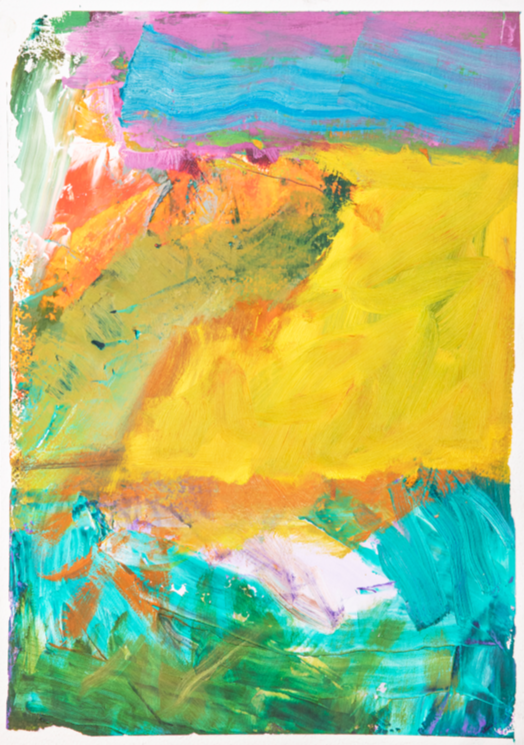
The Last Day (respite), 2022. Oil on paper, A4 (private collection)
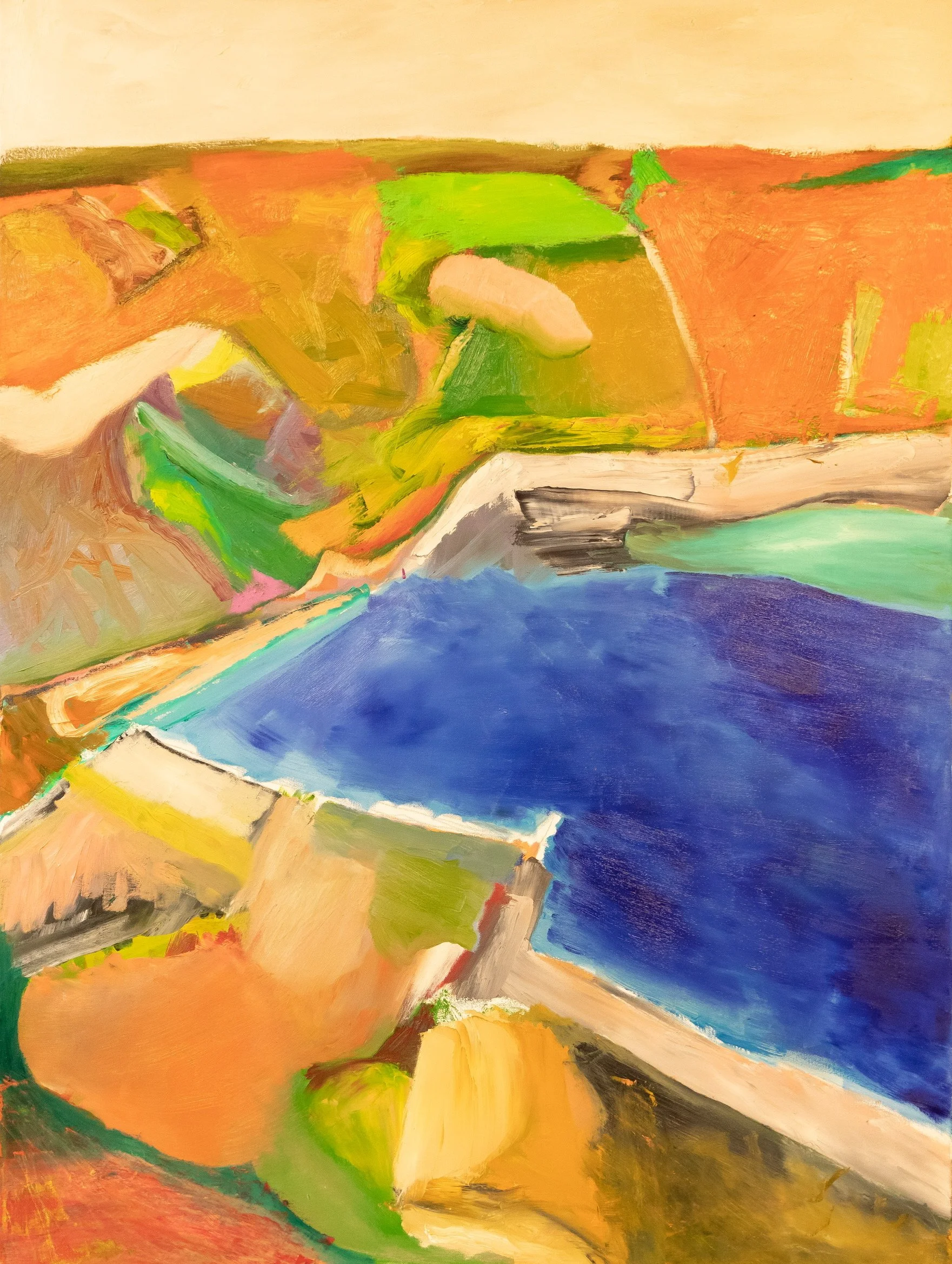
Those Afternoons, 2022. Oil on canvas, 121 x 91cm (private collection)
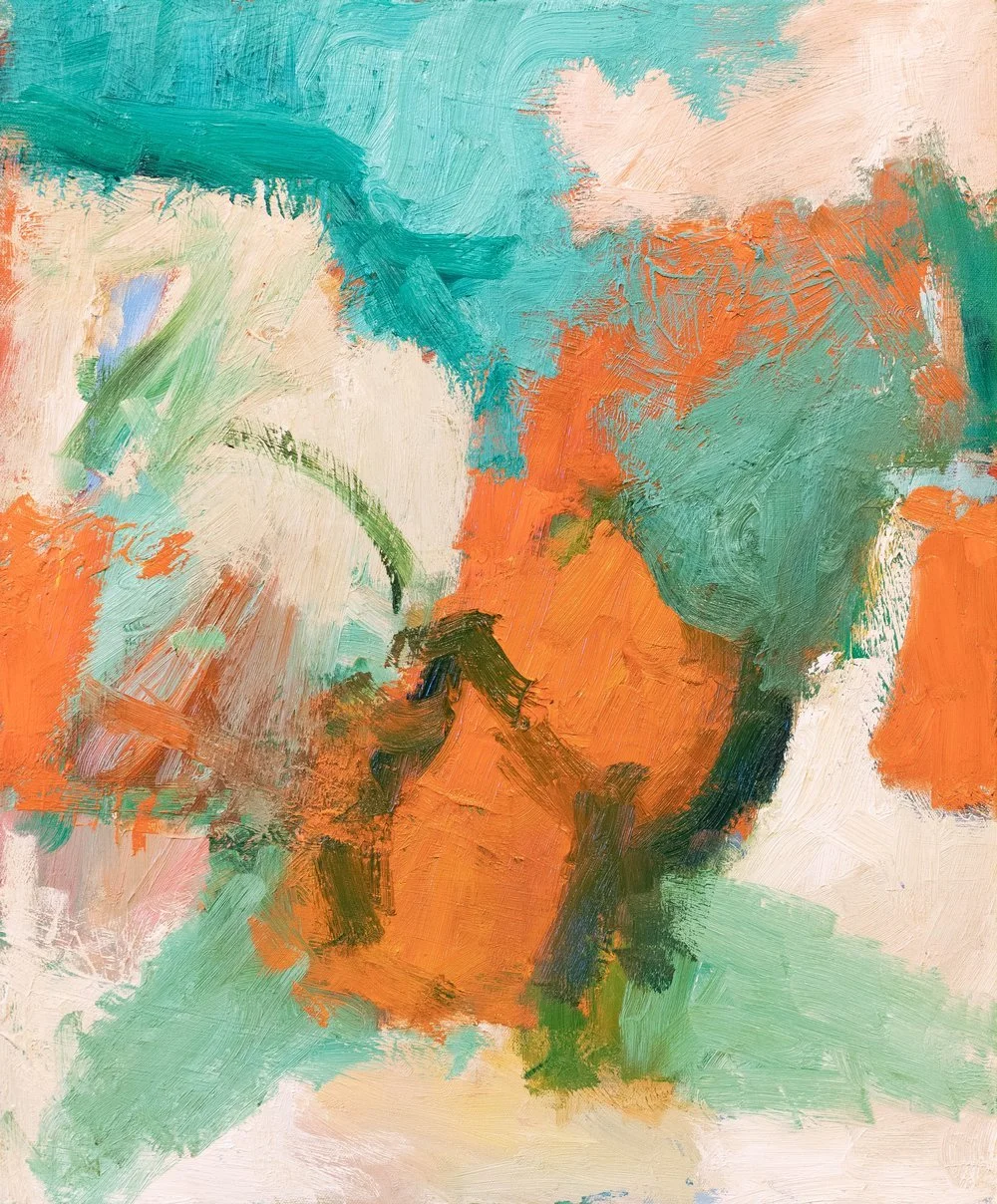
Going out for sugar, 2022. Oil on canvas, 60 x 48cm (private collection)
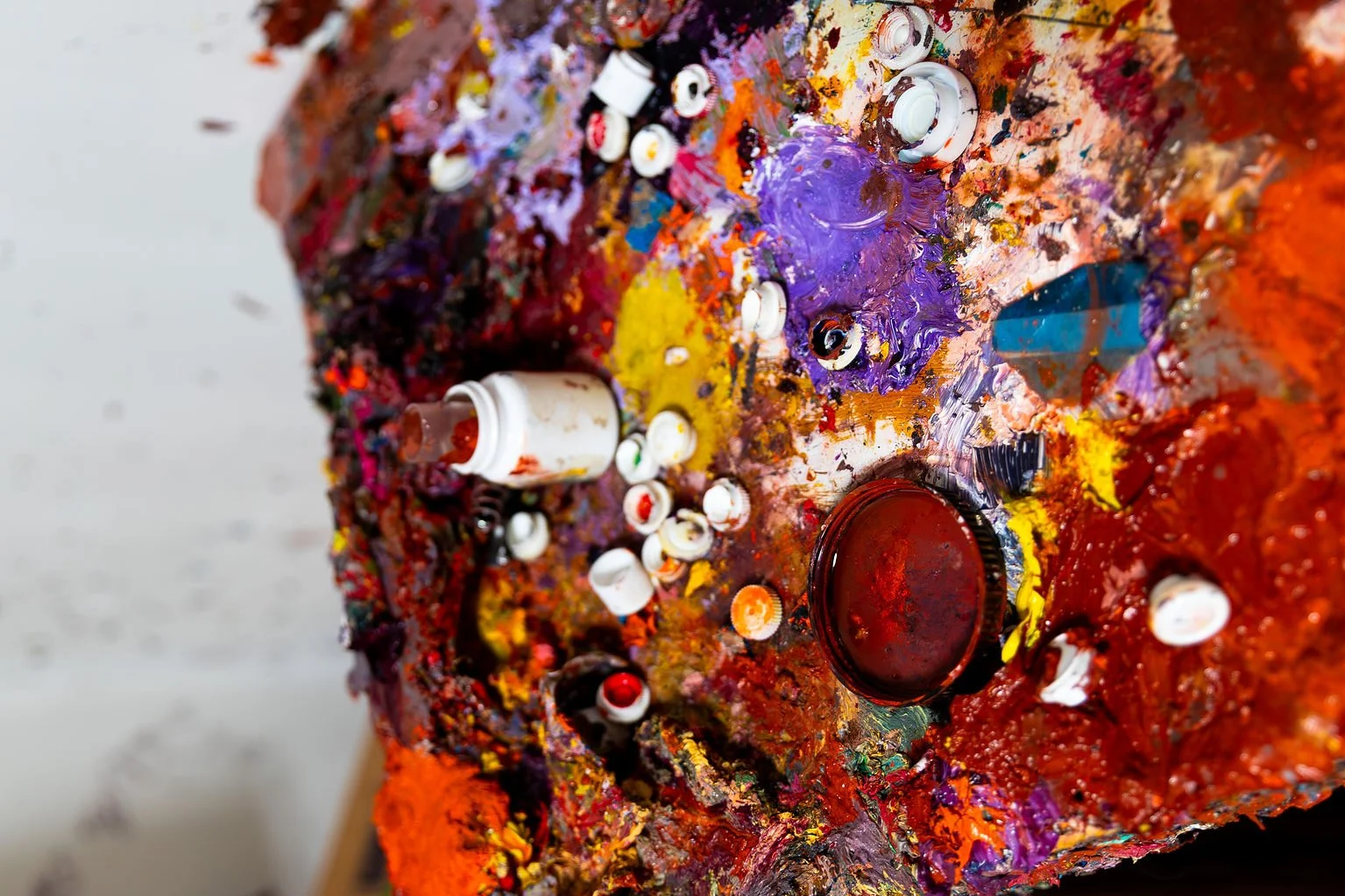
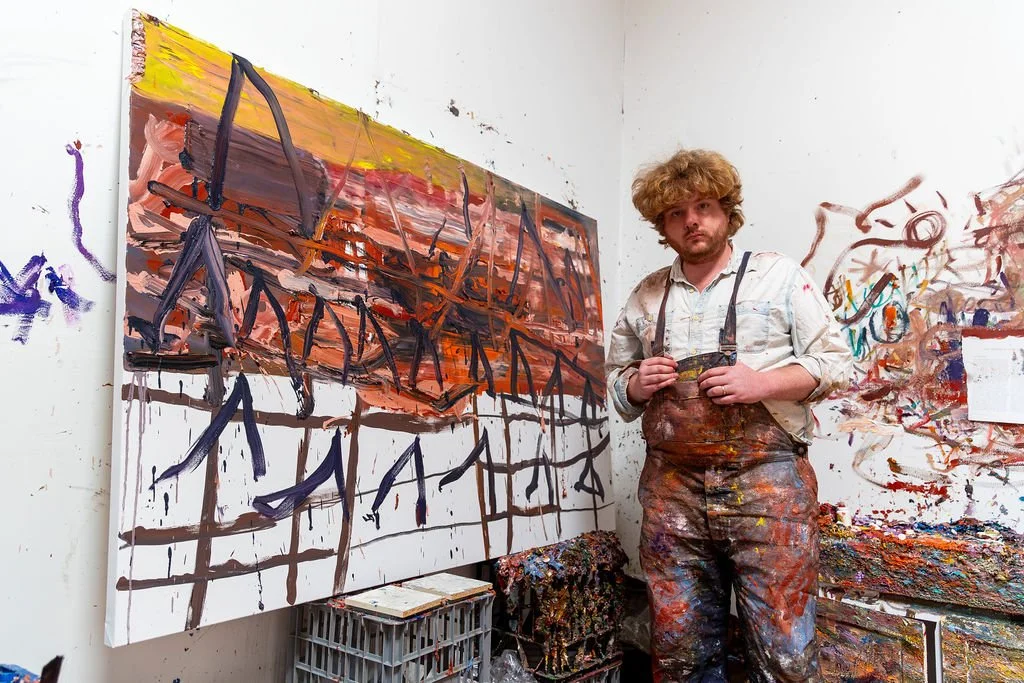
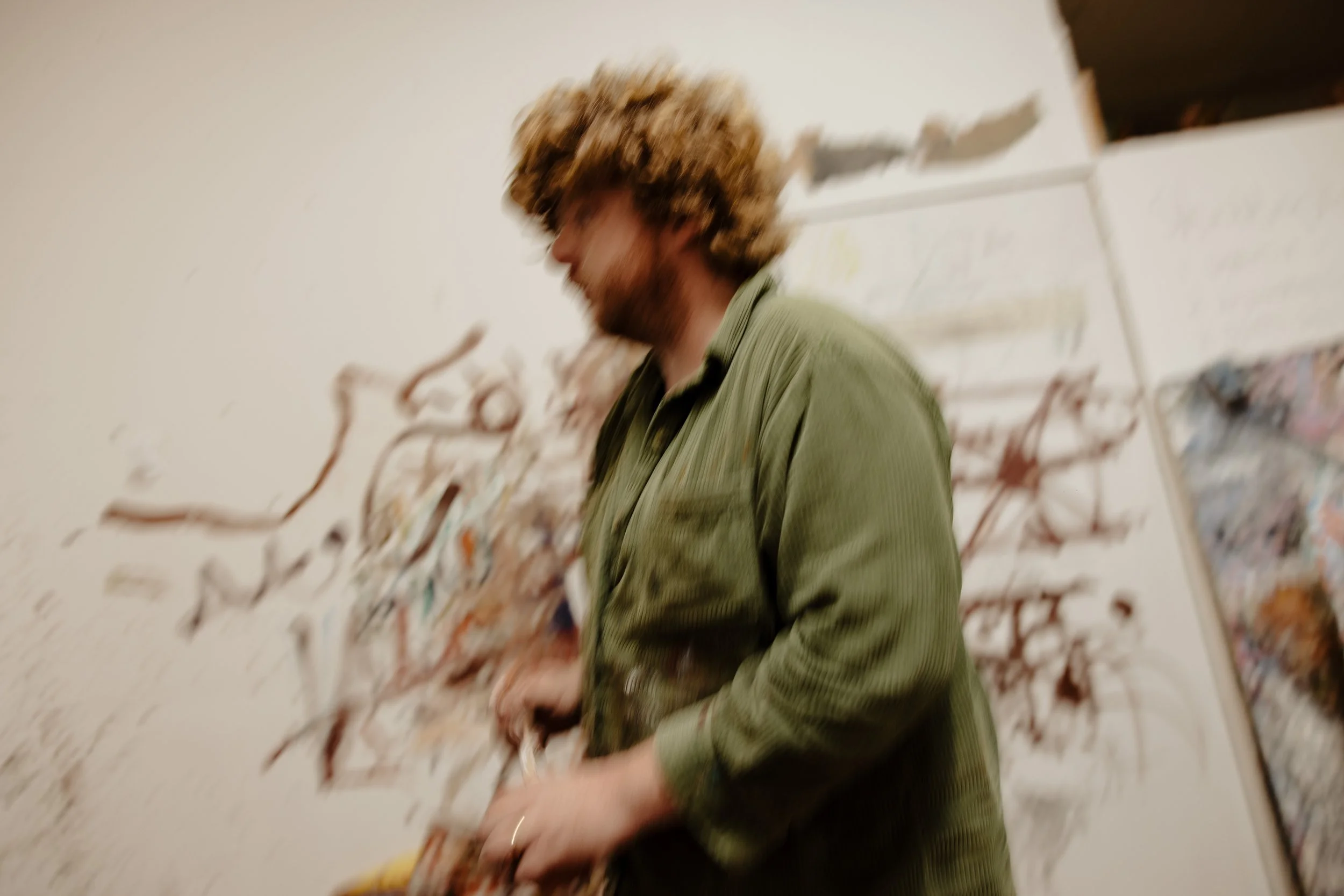
Studio, March 2026
Photographed by Cameron Gaubert with Serrated Painting, 2026 for Mango Flesh Identikit (2026, Hazelhurst Art Centre)
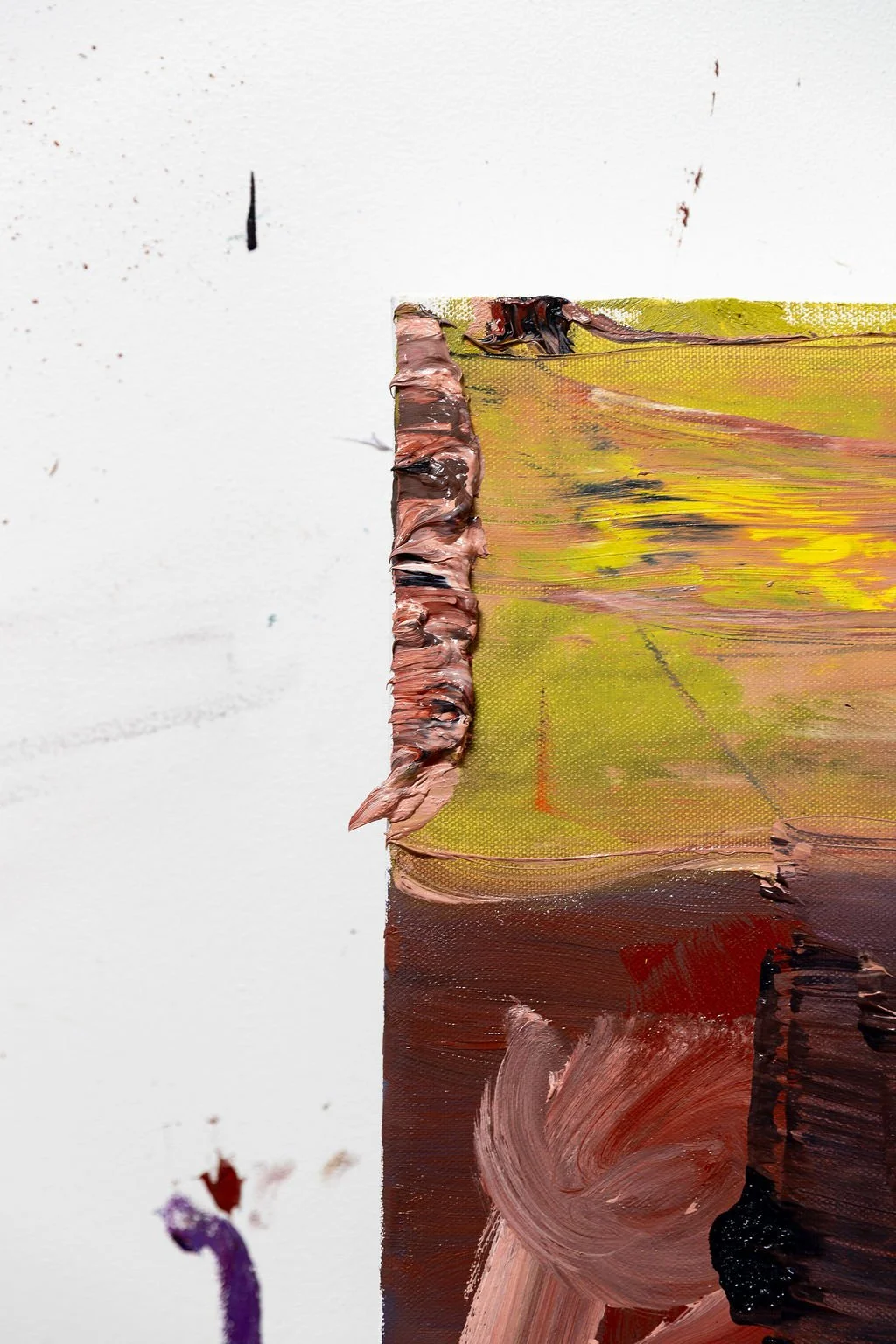
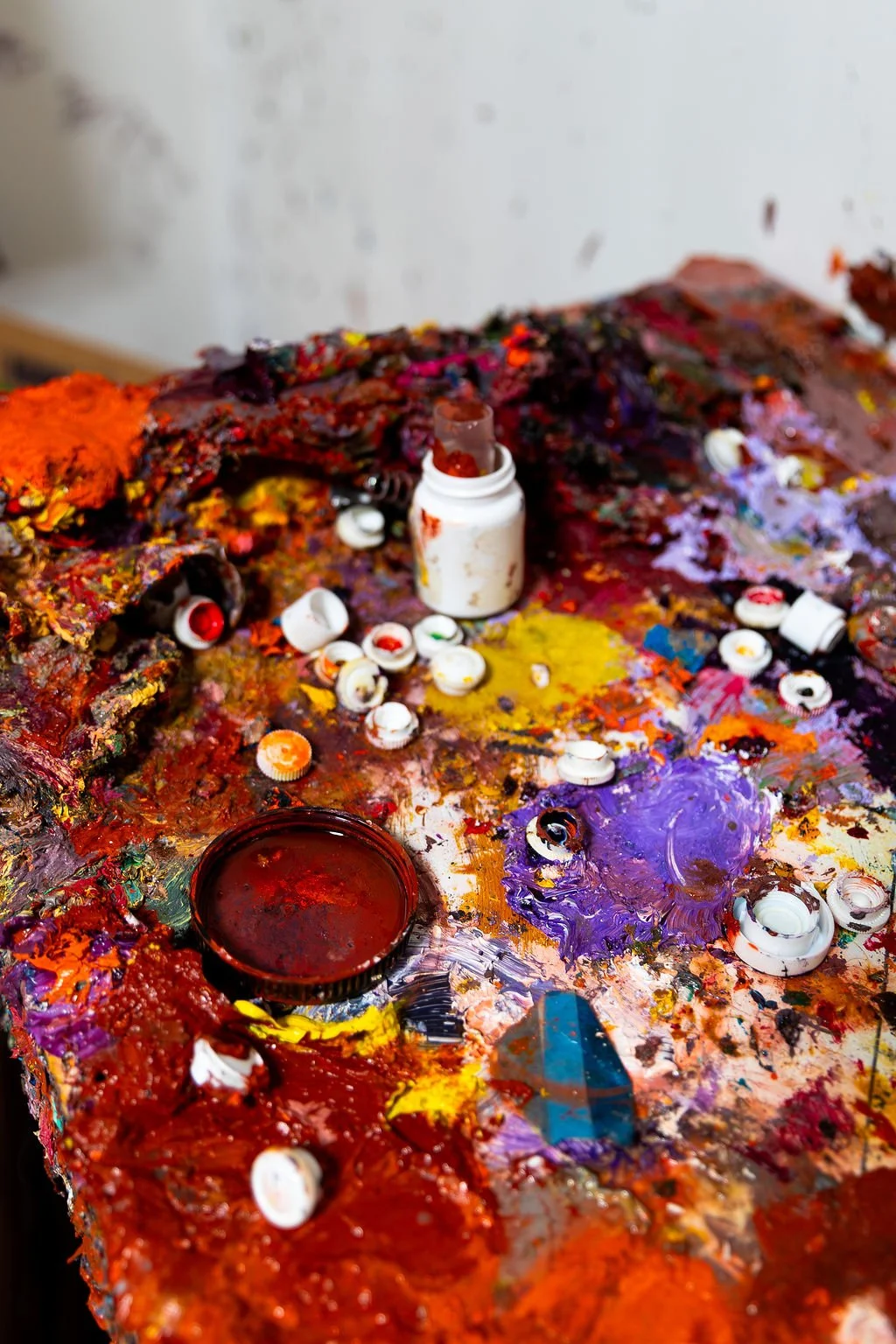
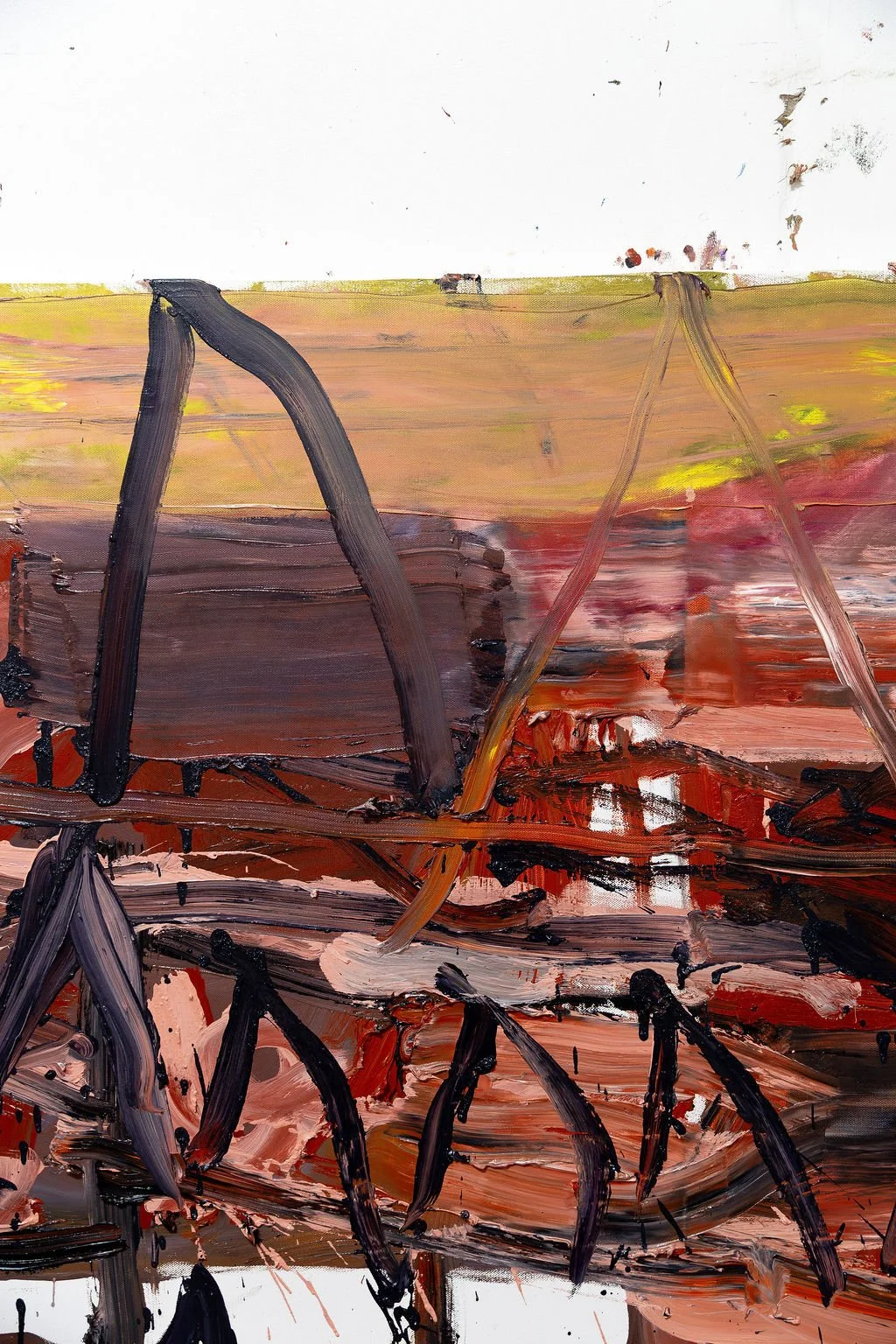
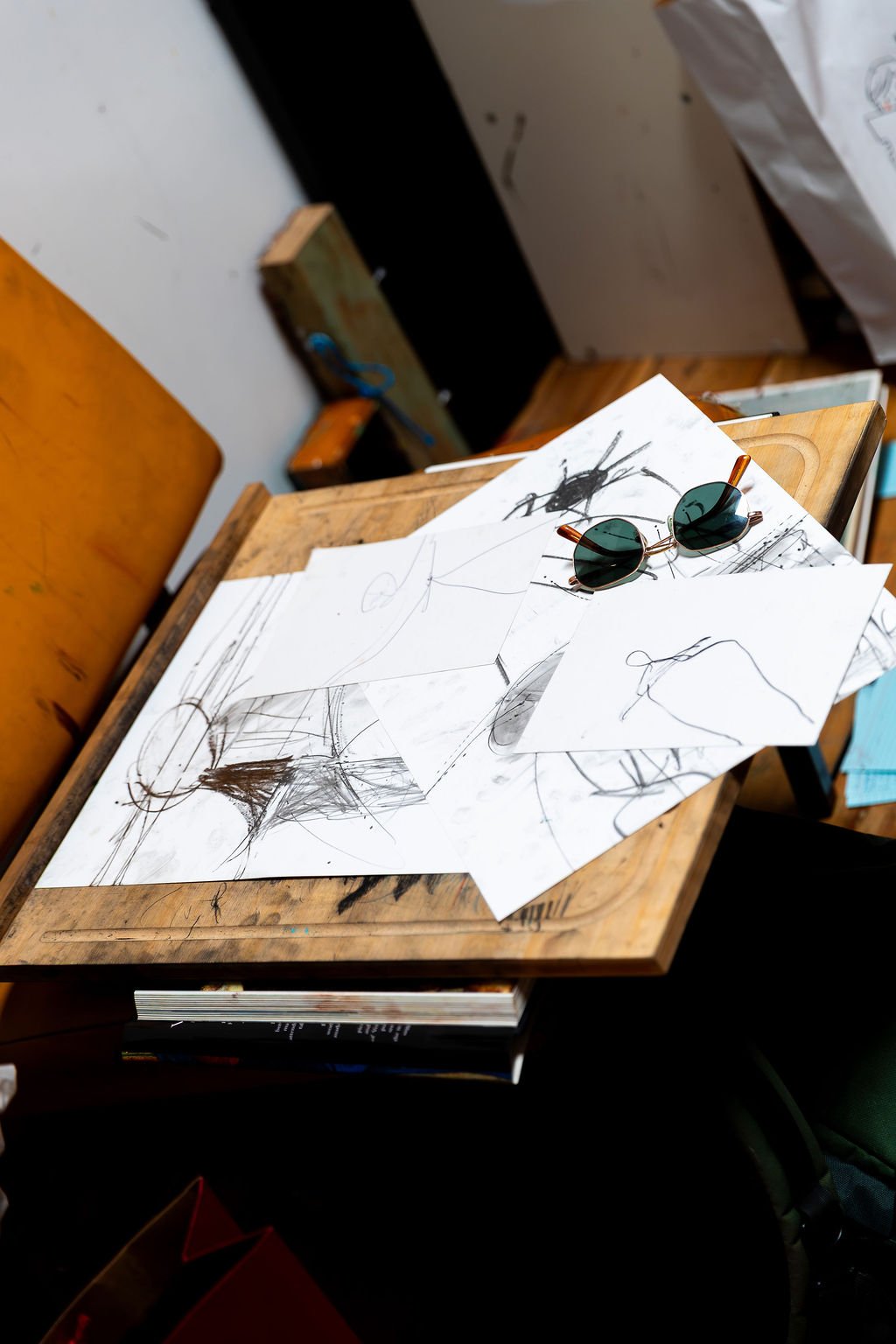
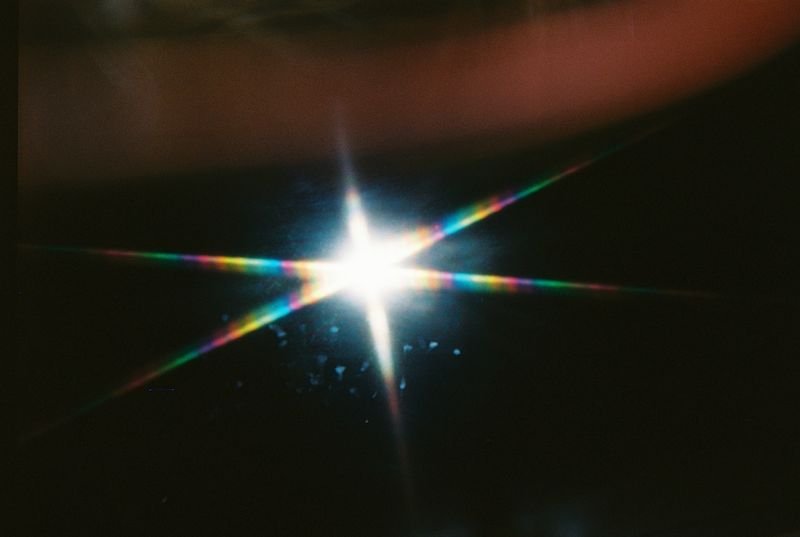
Reference photographs 1
EI personal disposable photographs / taken in a psychiatric hospital
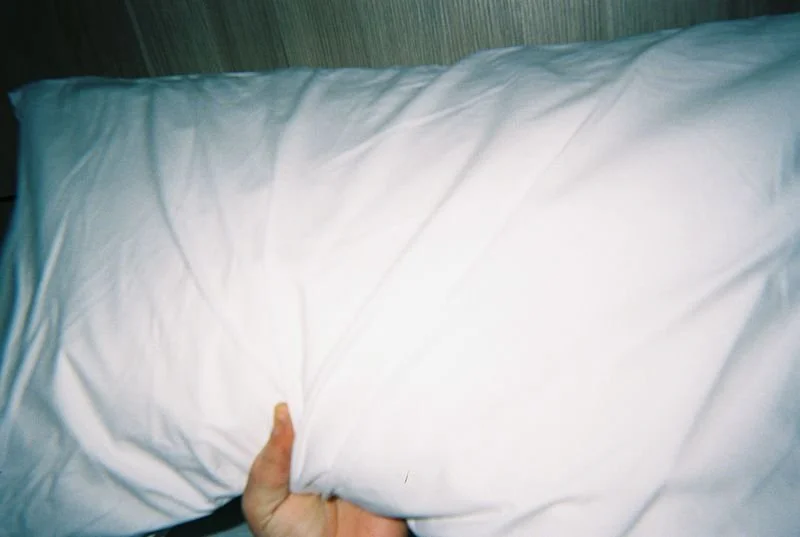
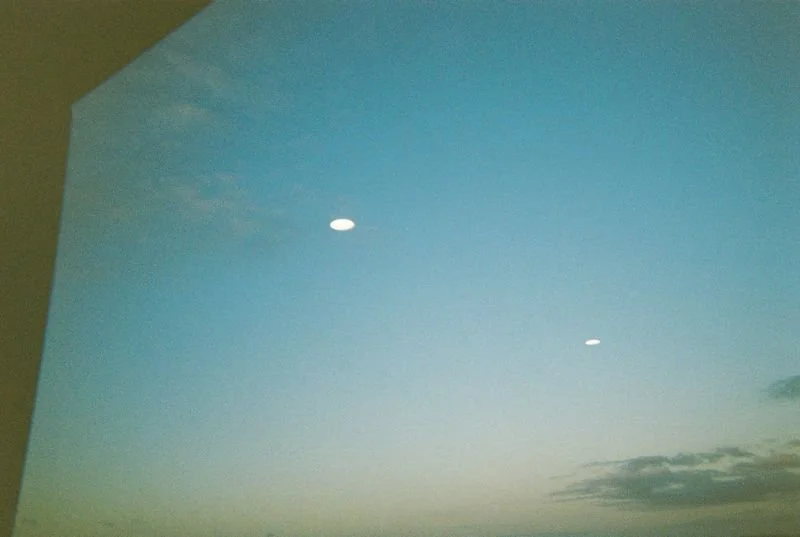
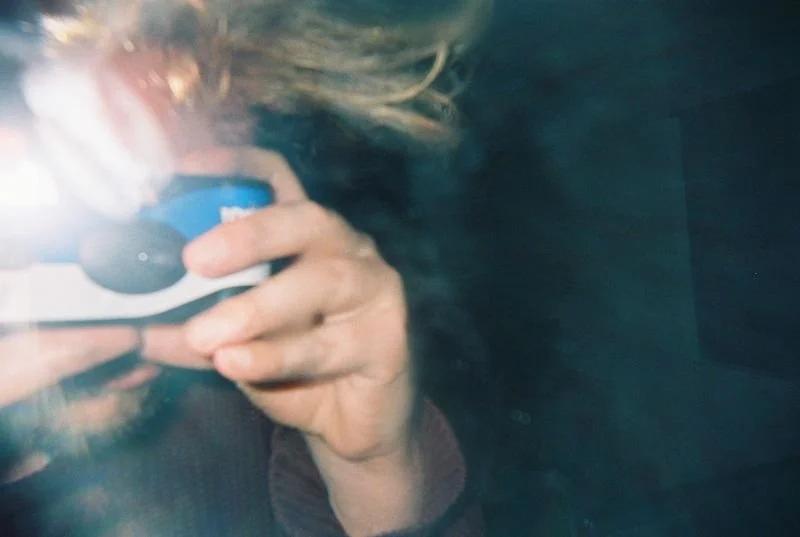
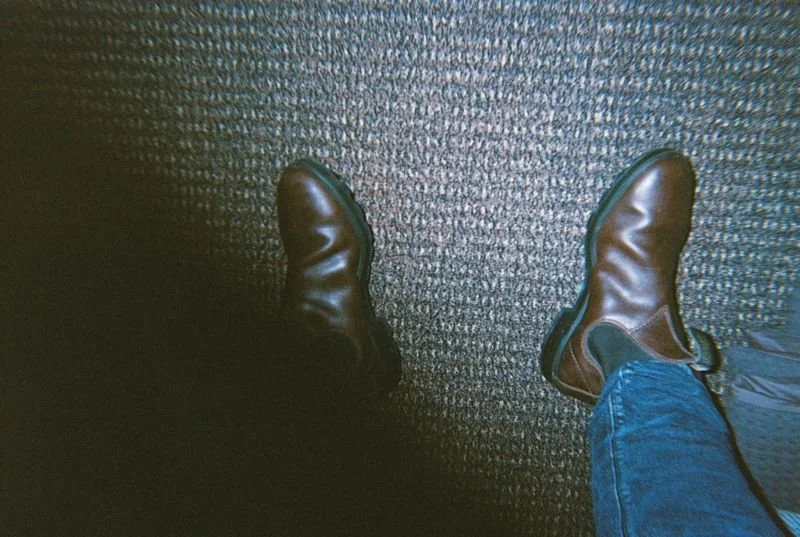
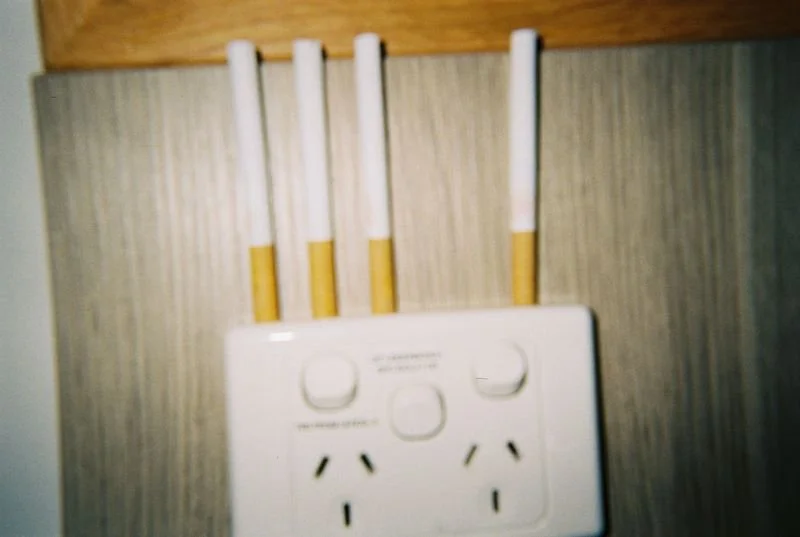
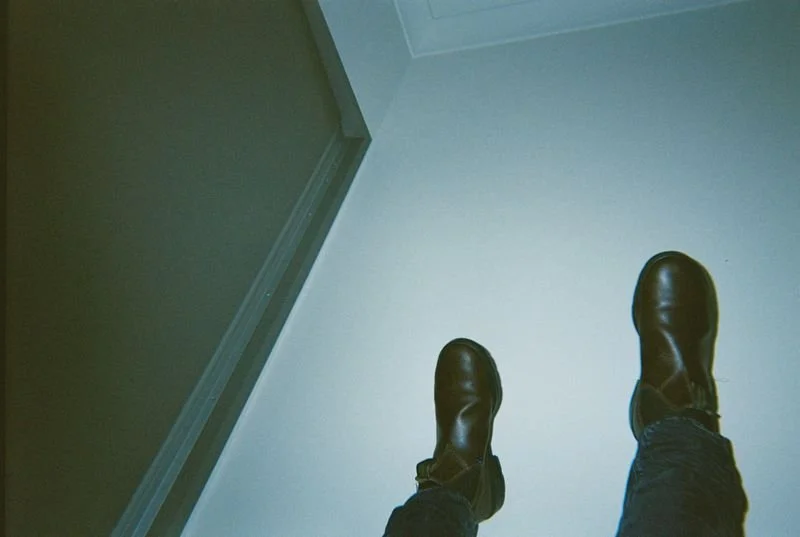
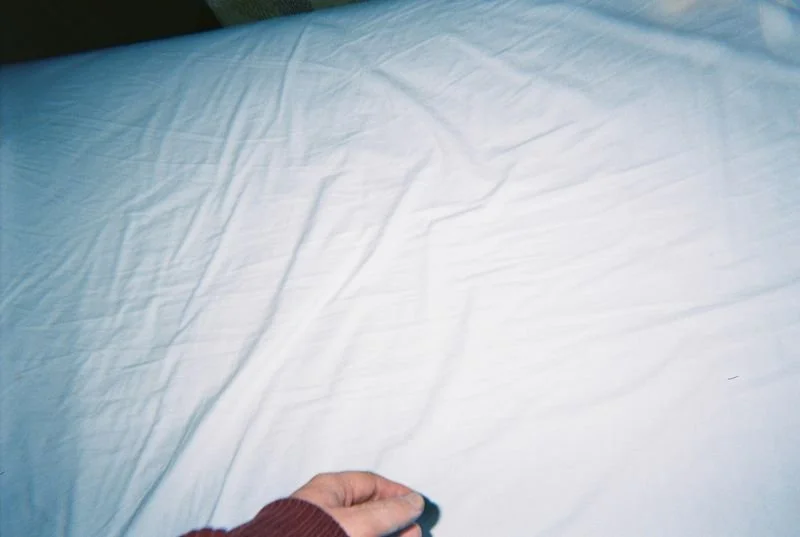
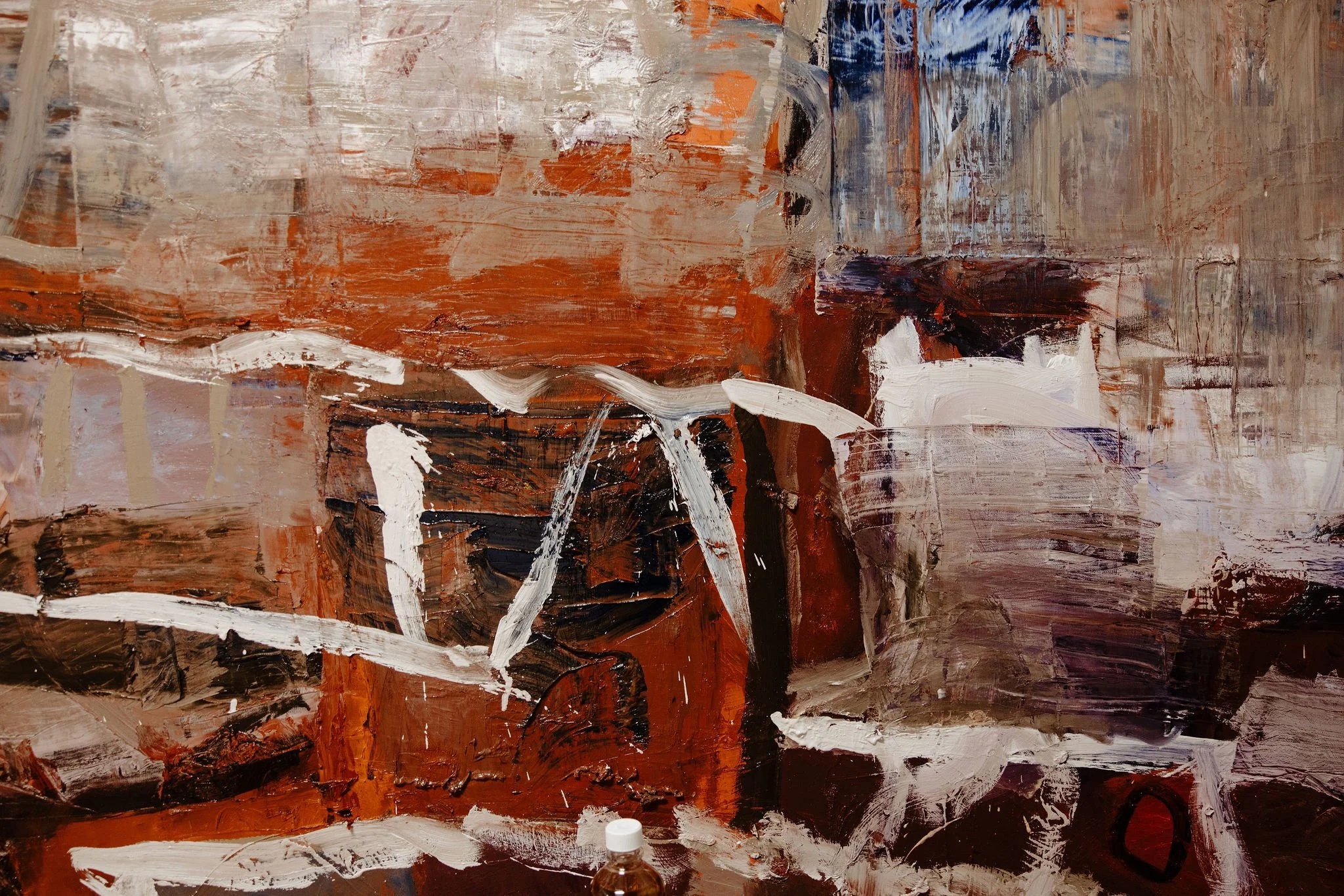
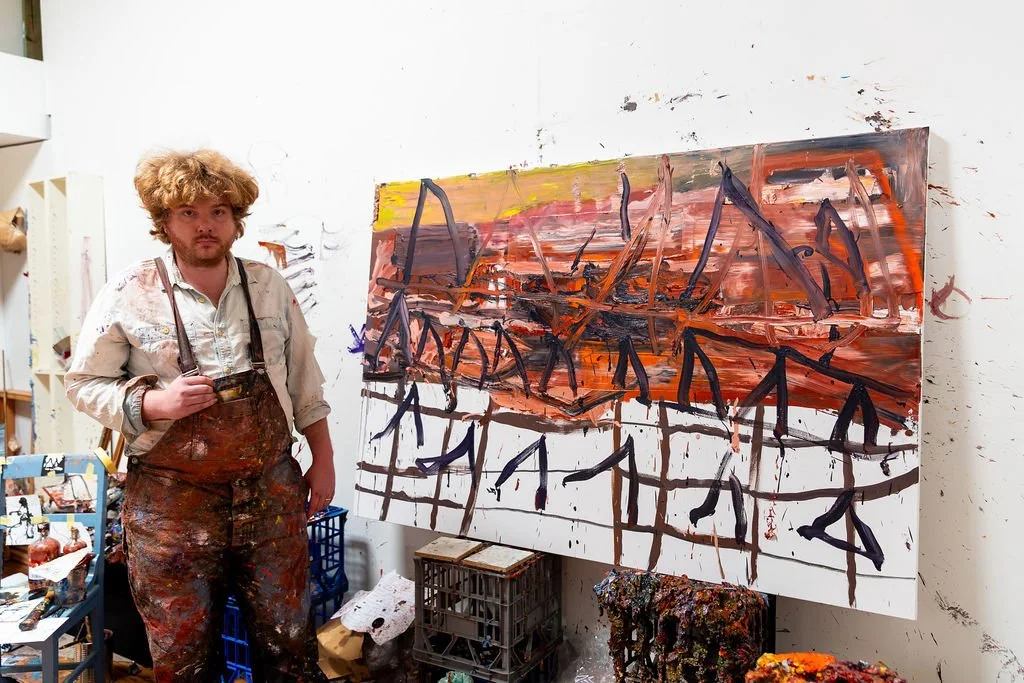
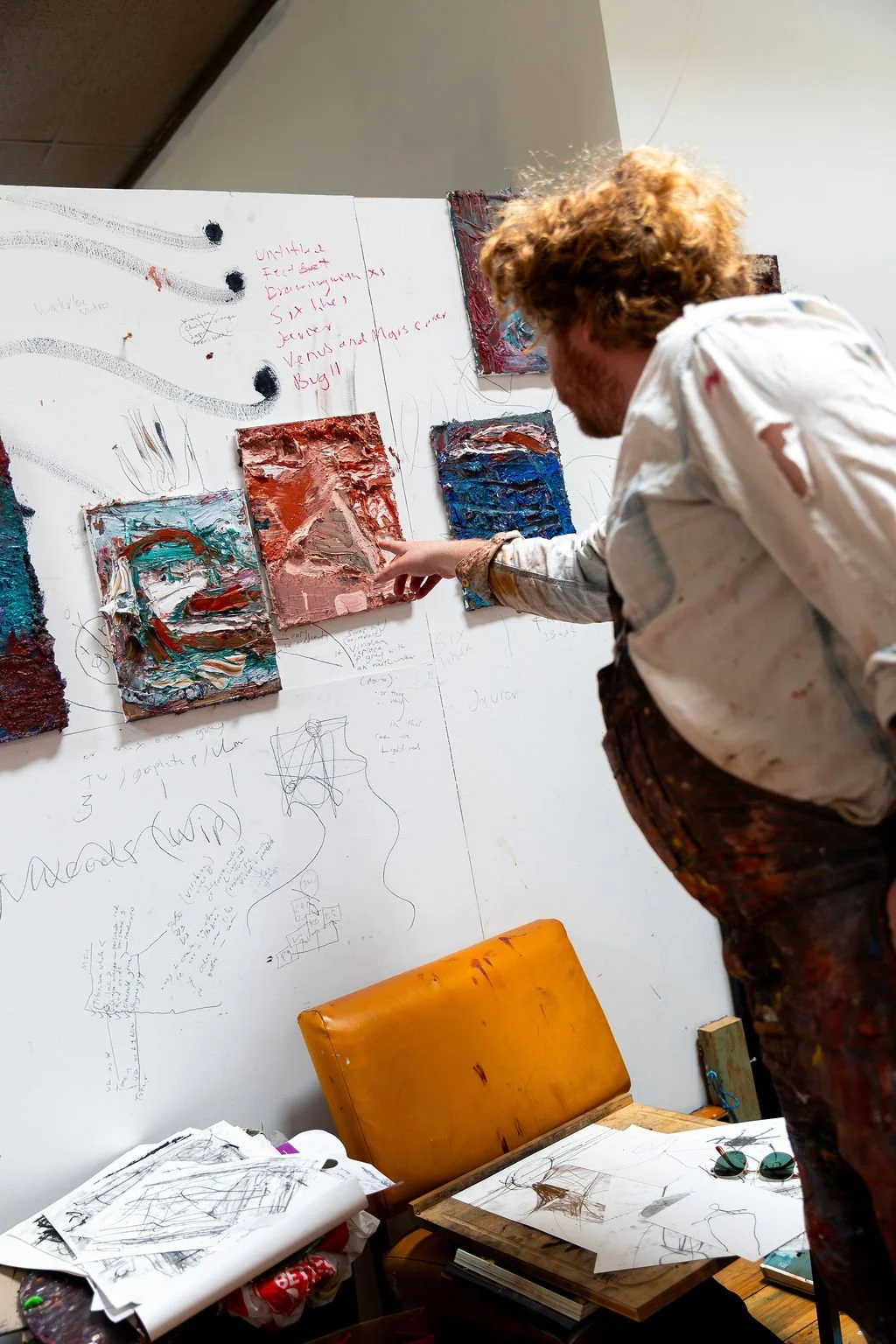
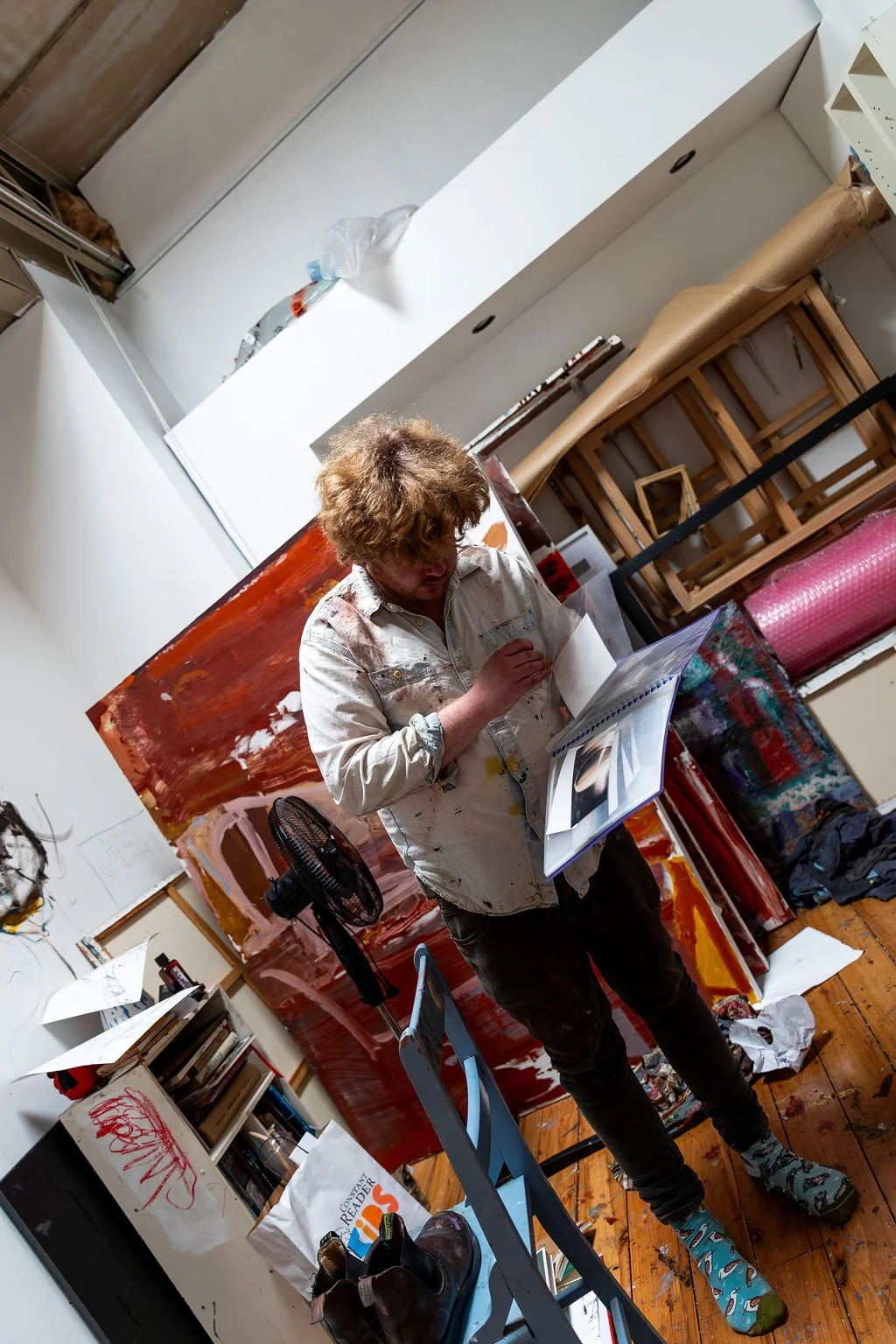
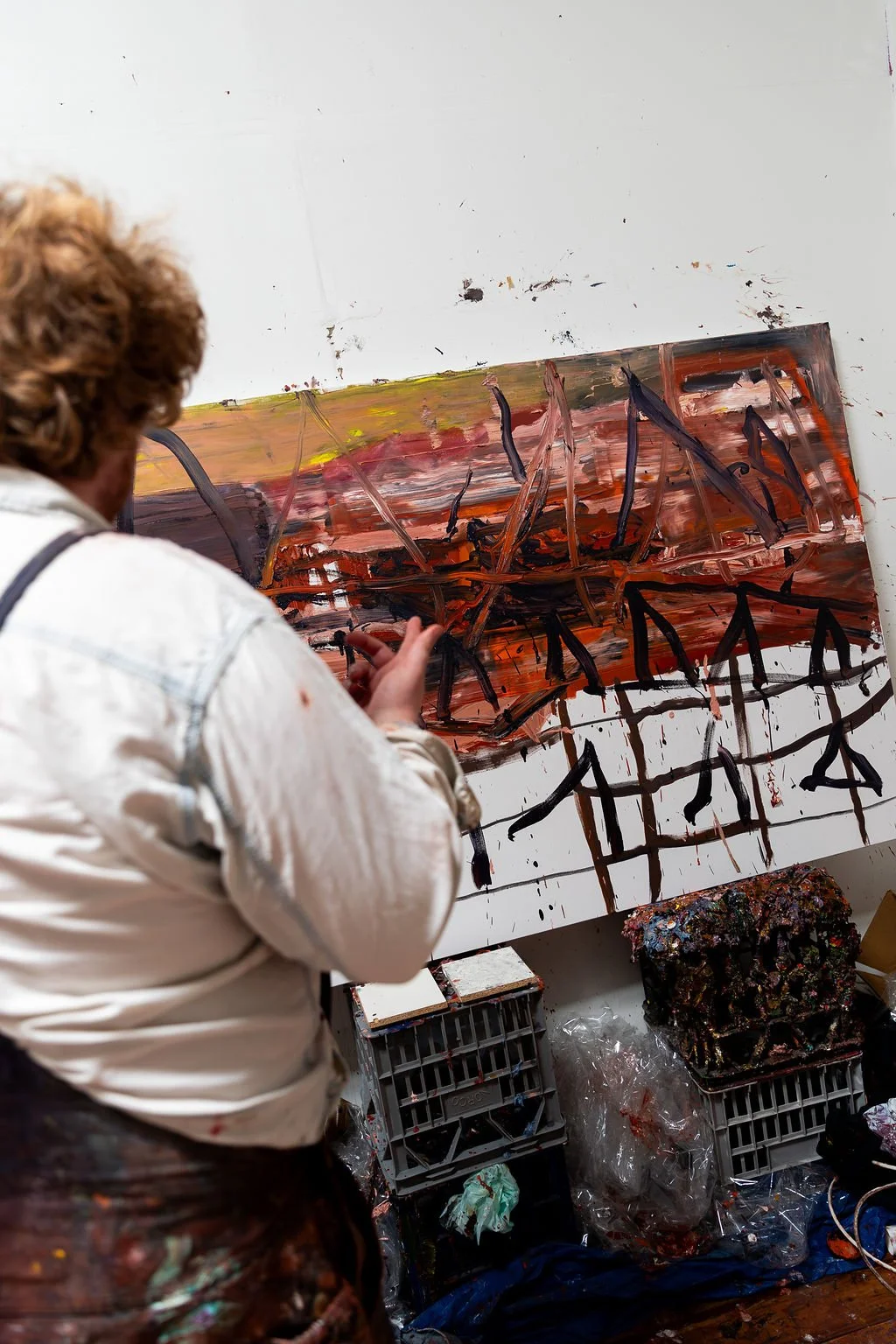
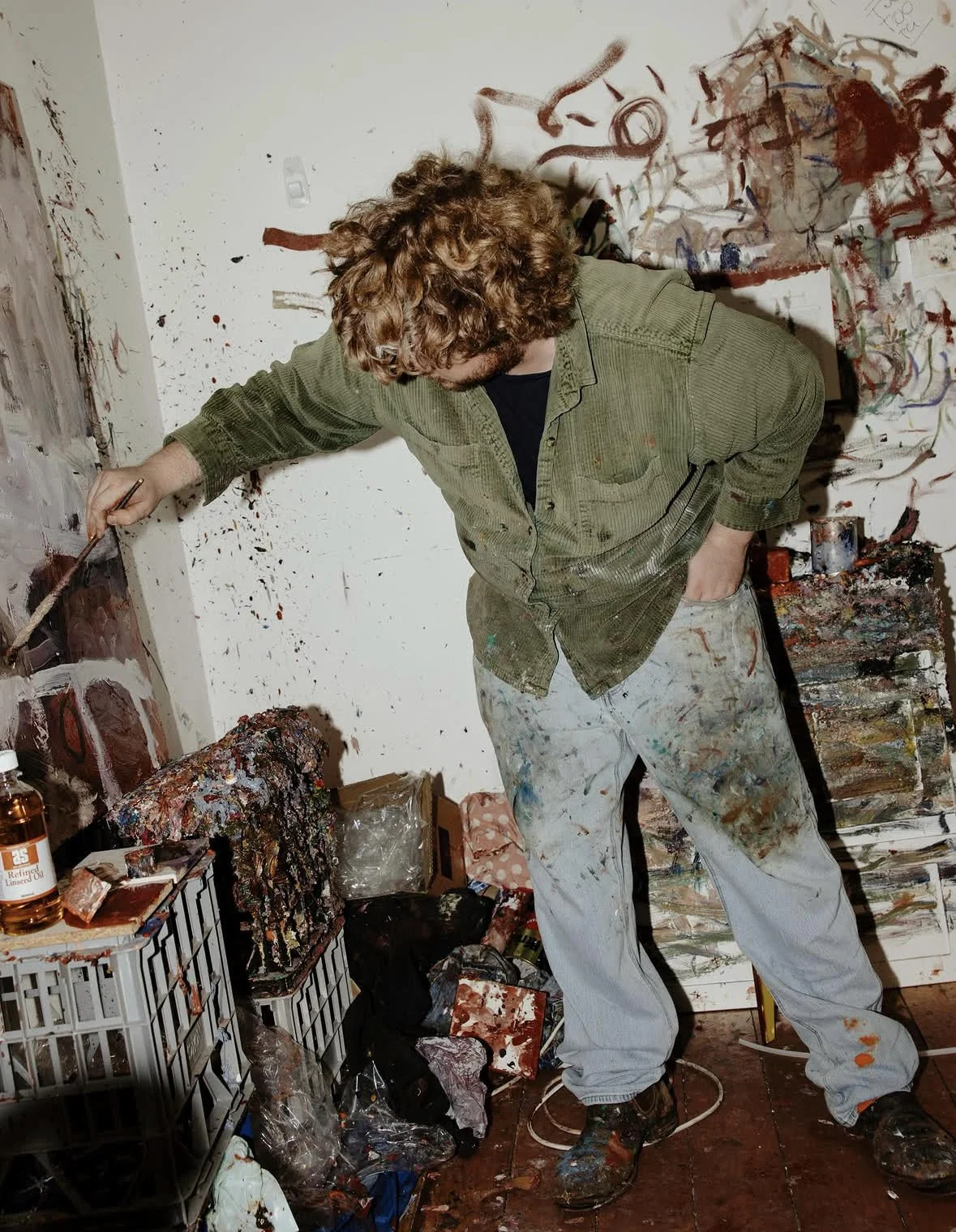
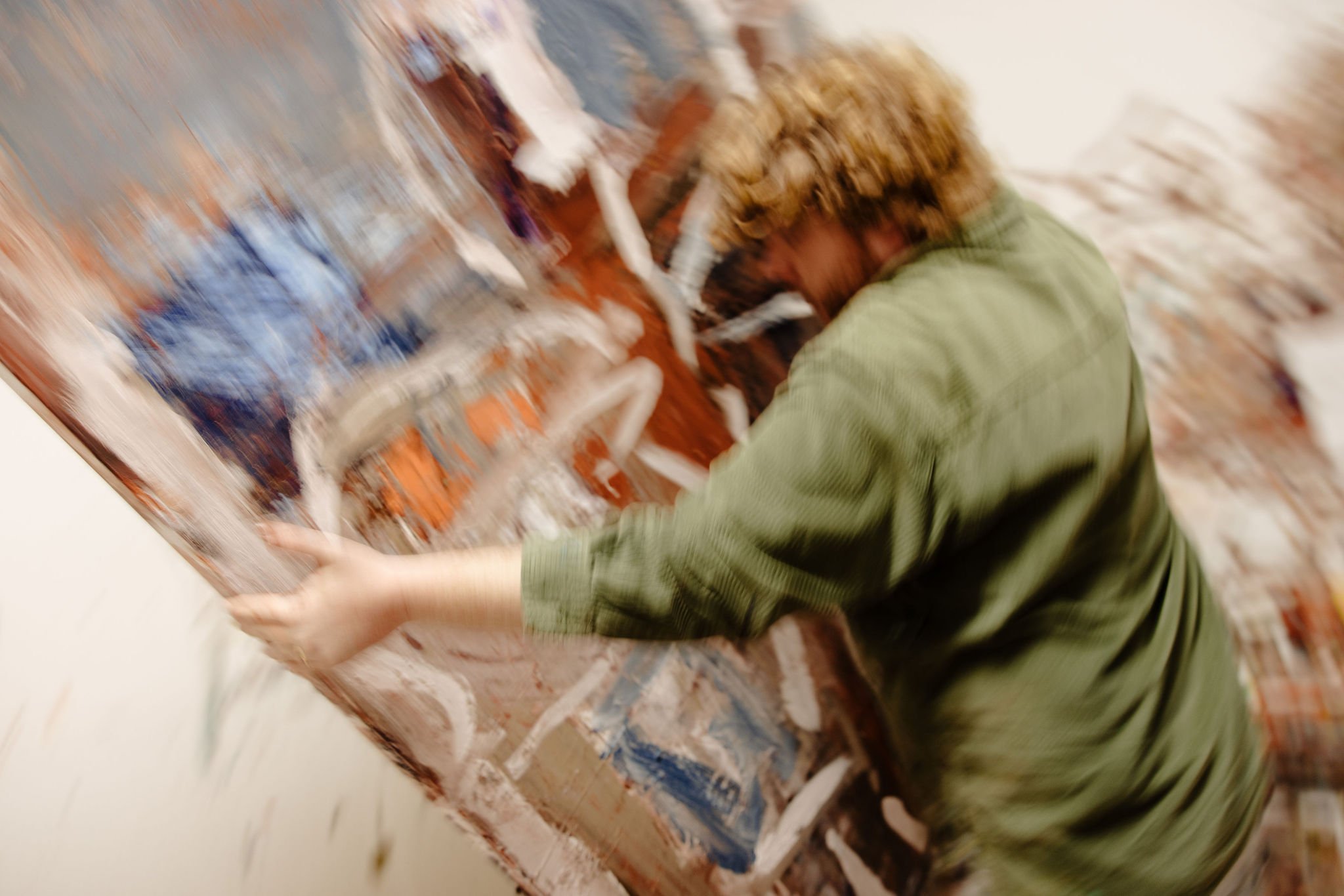
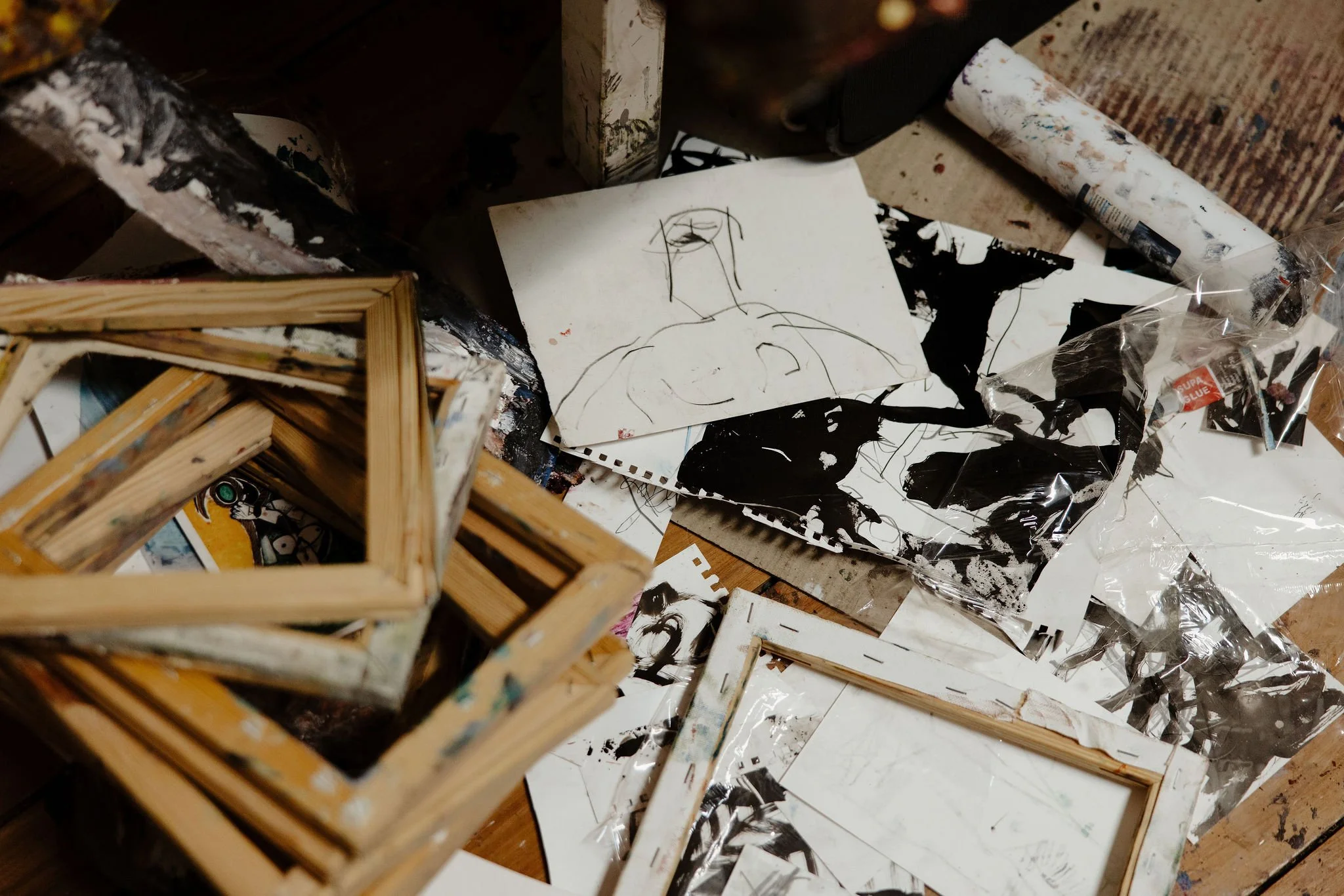
The studio, April 2026
Photographed by Ben Adams
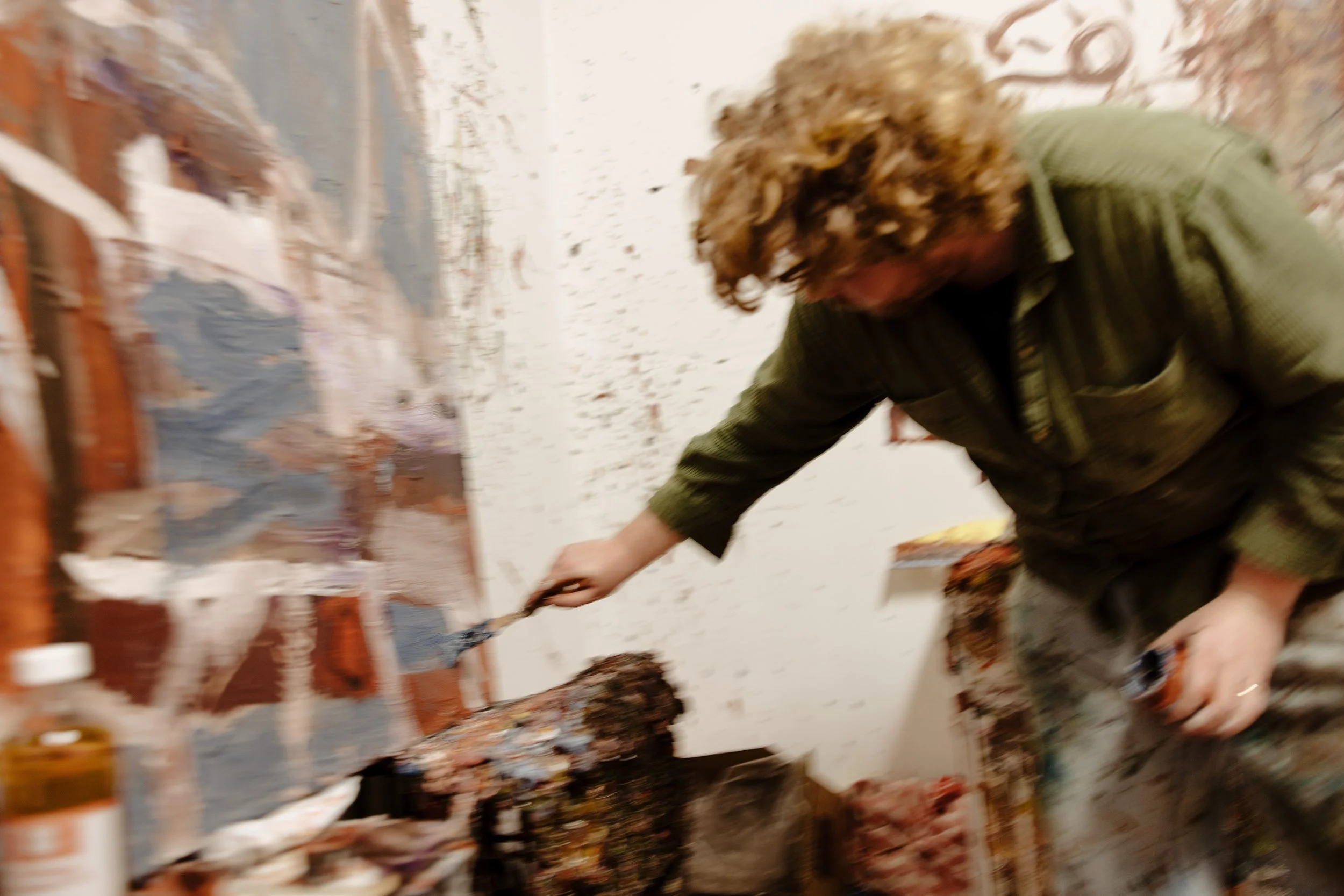
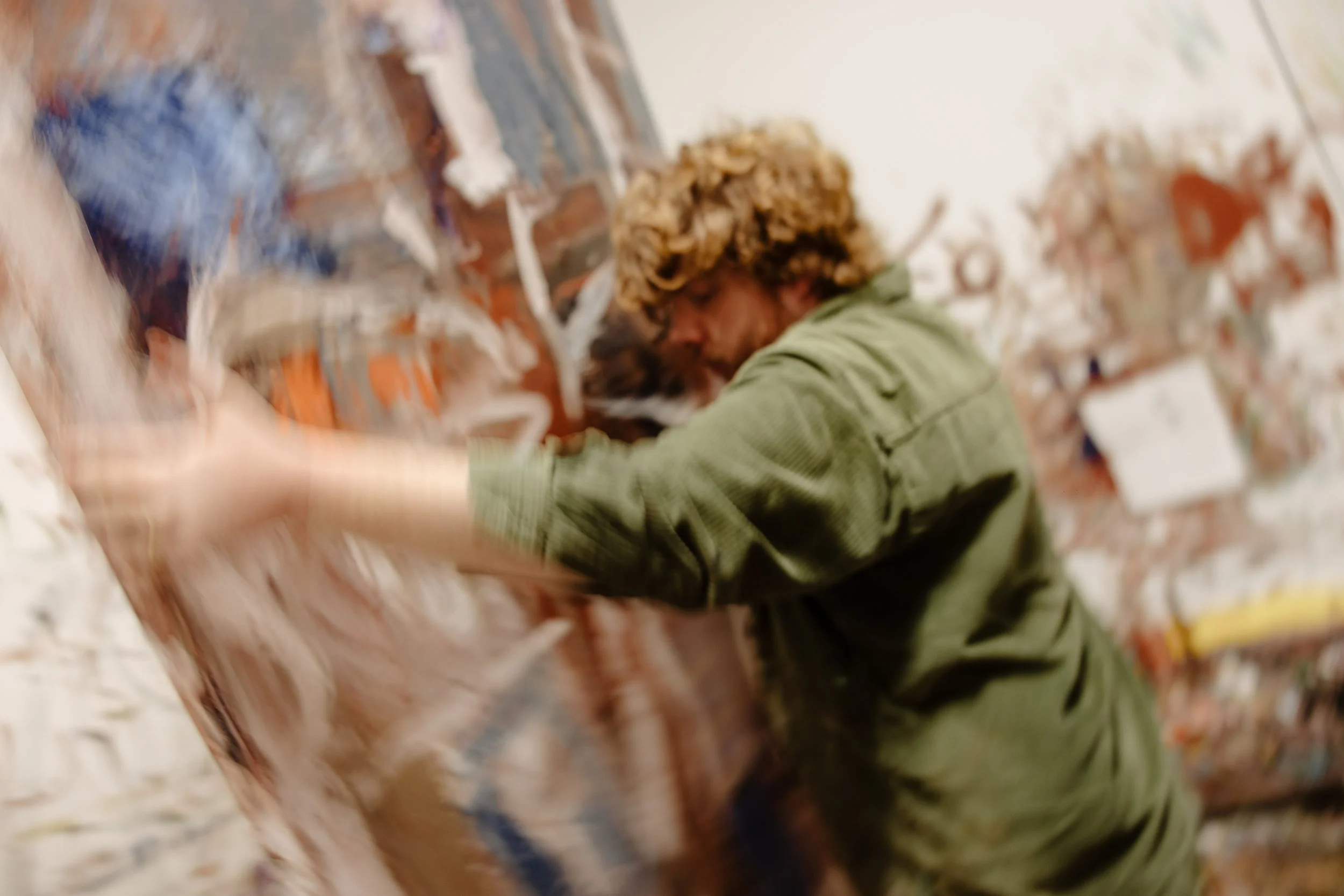
Working on Painting 2026, 2026 for Mango Flesh Identikit (2026, Hazelhurst Art Centre).
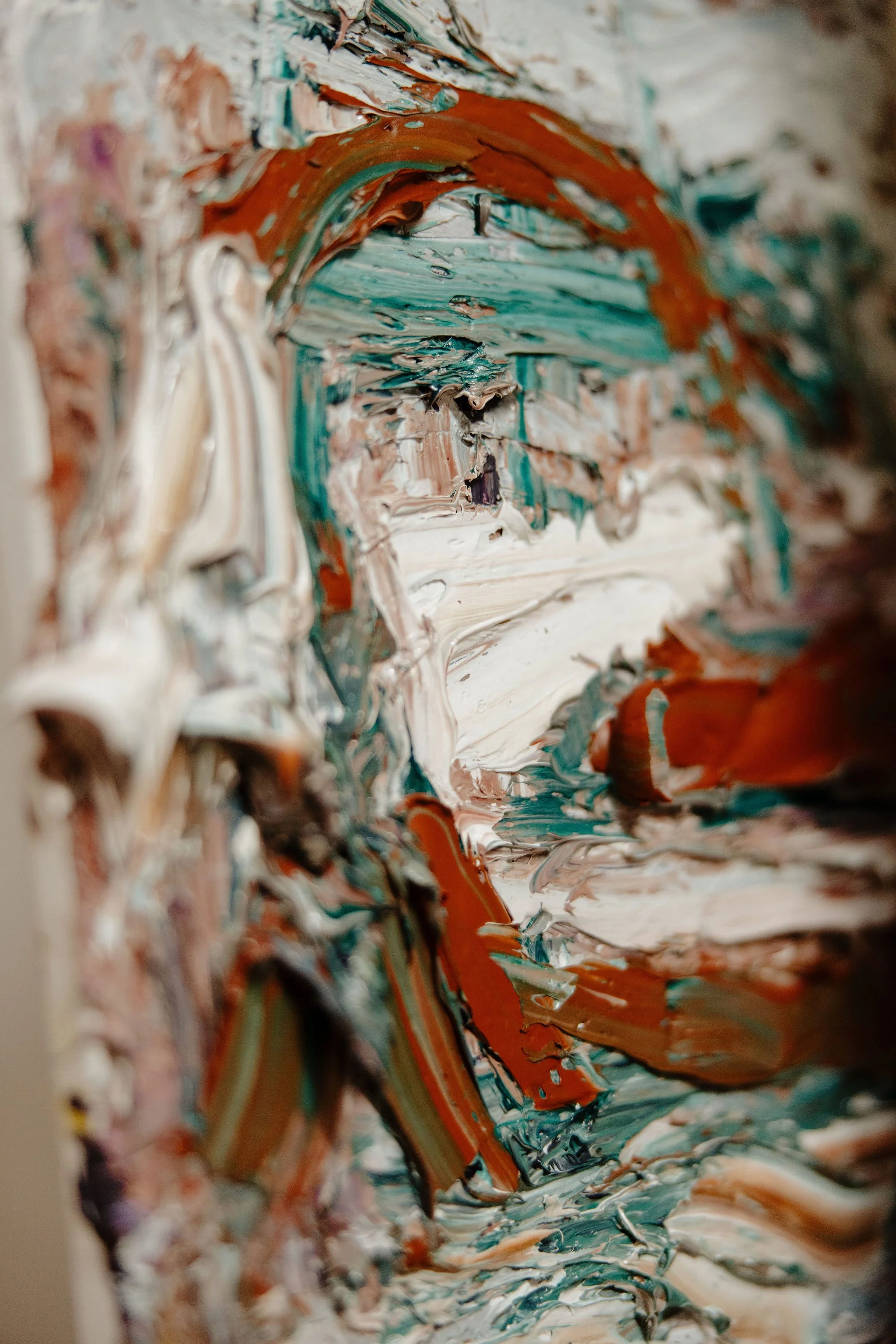
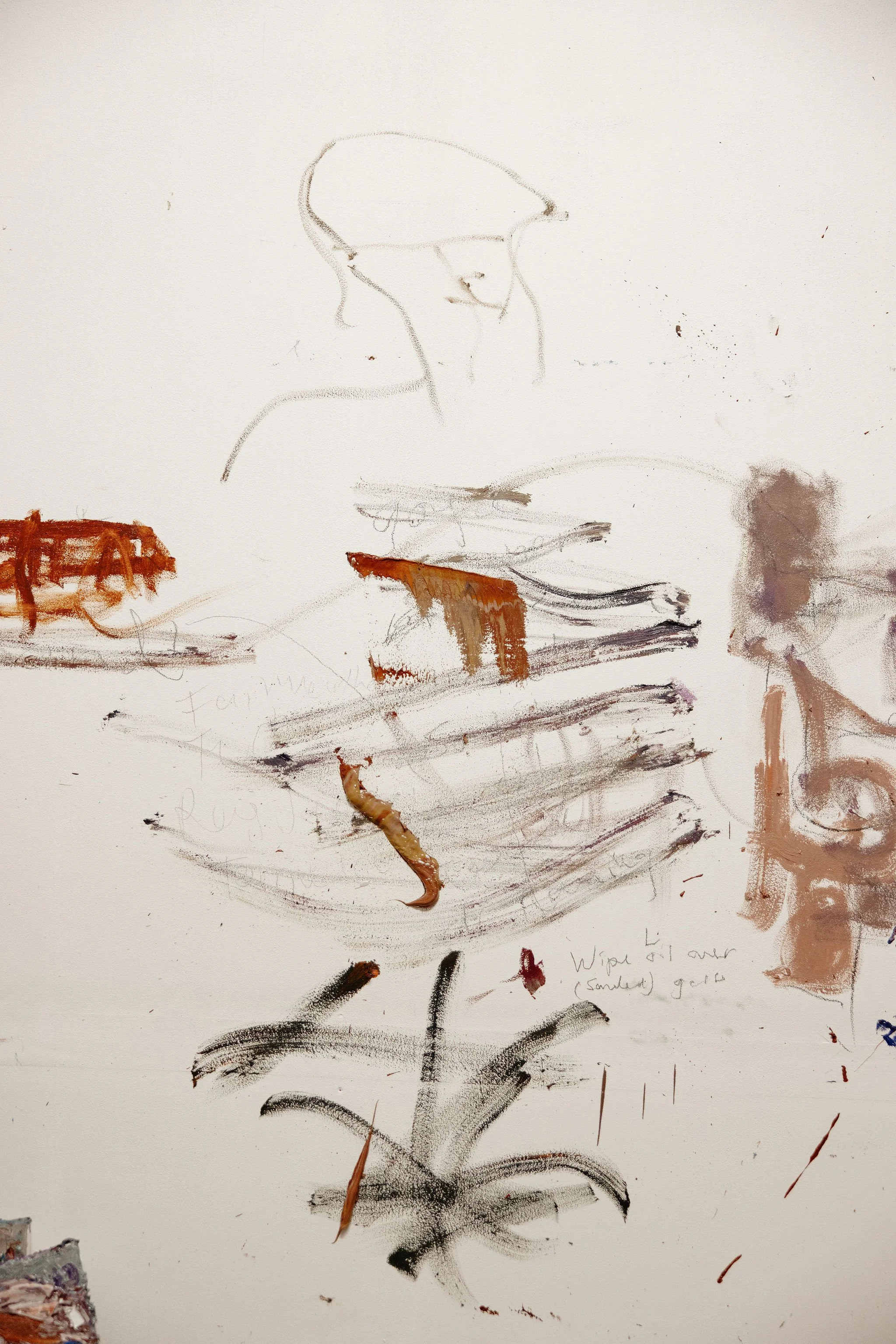
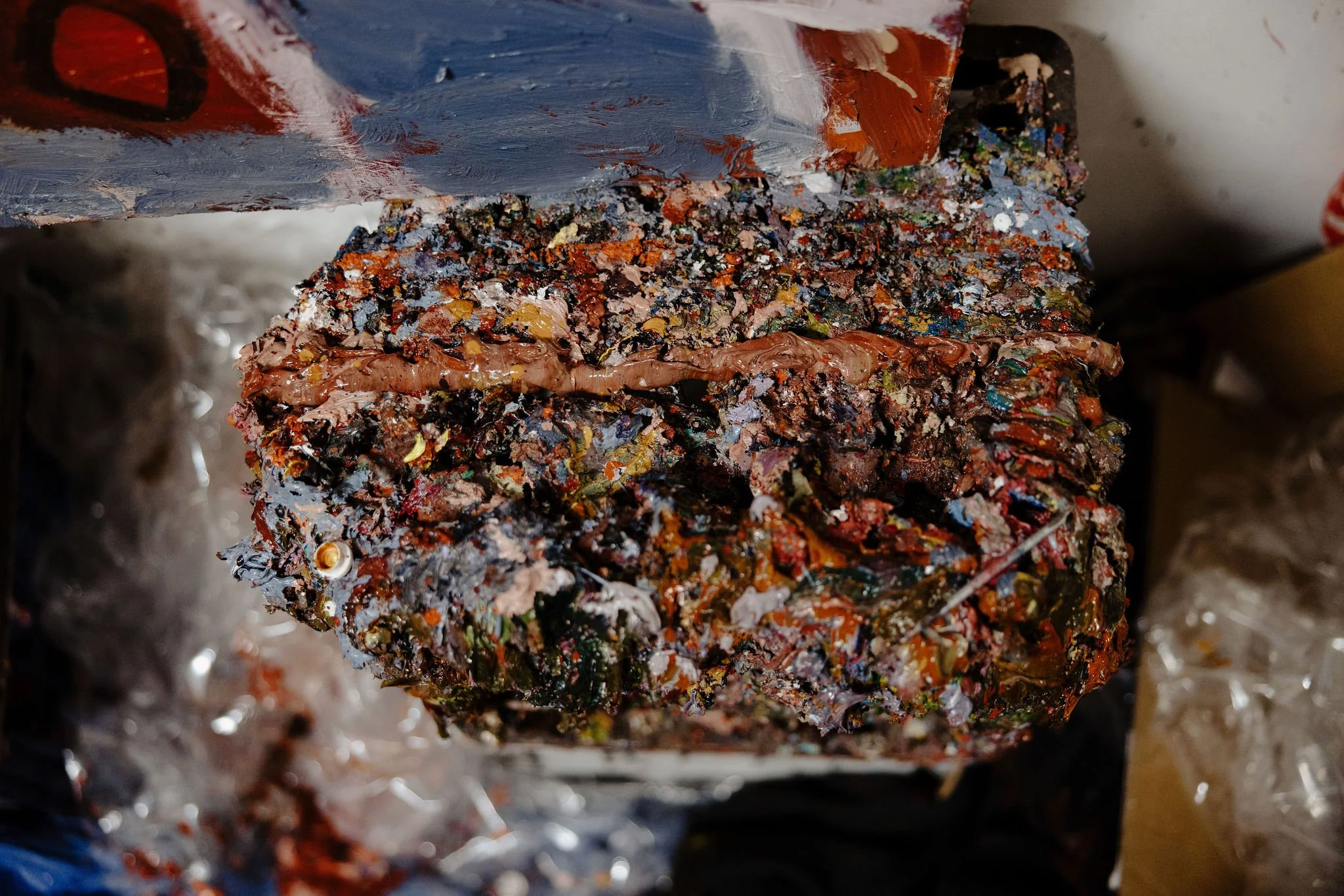
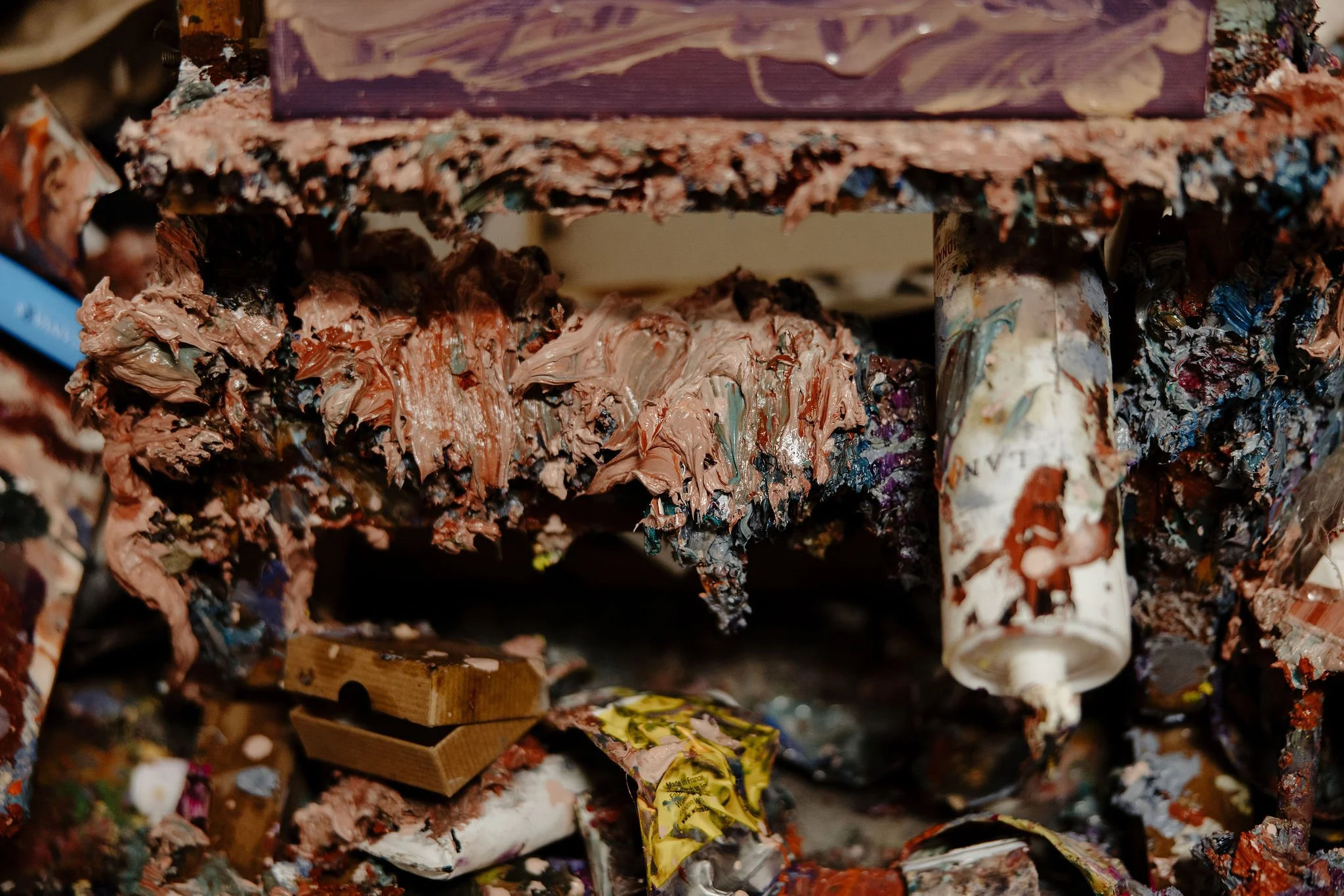
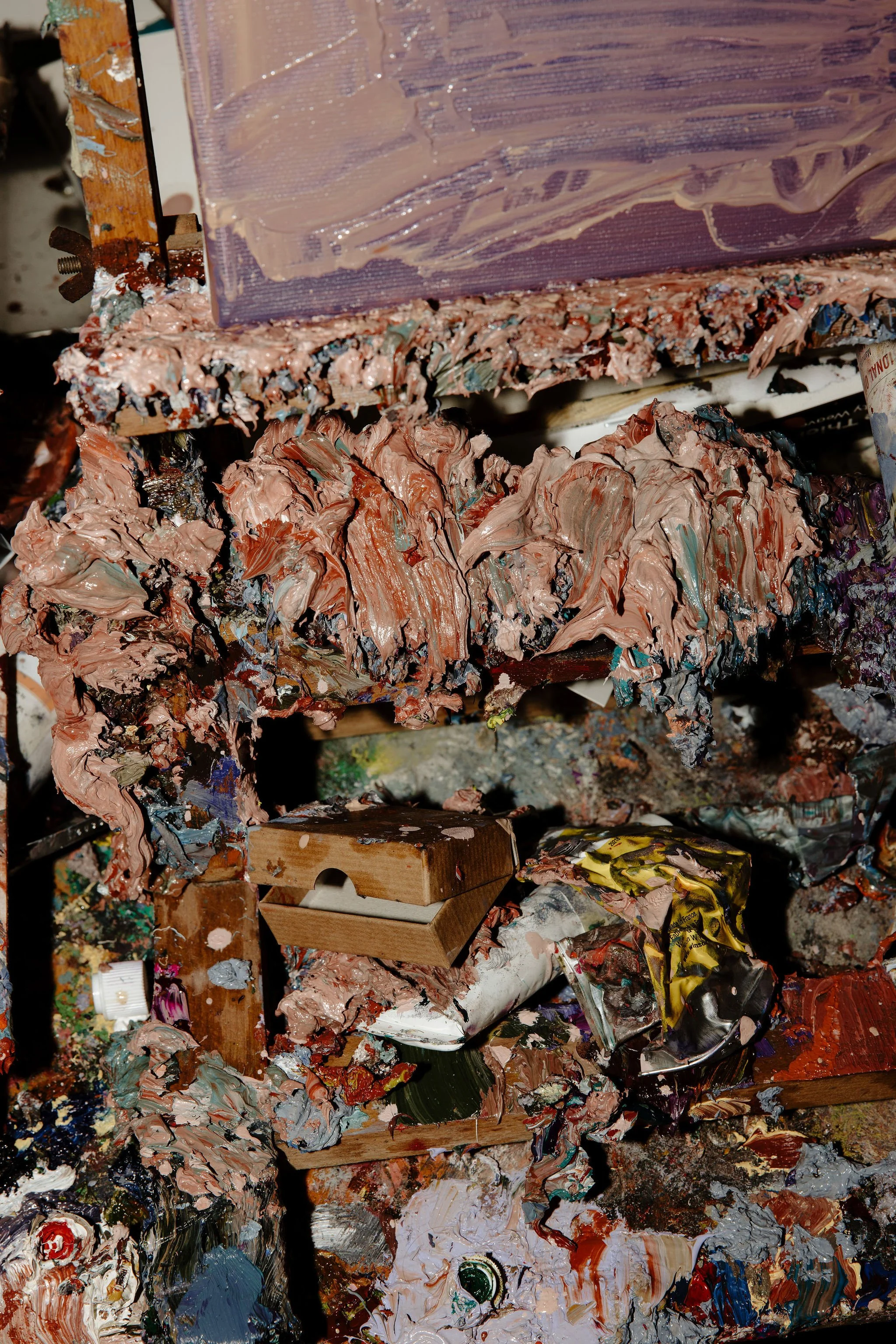
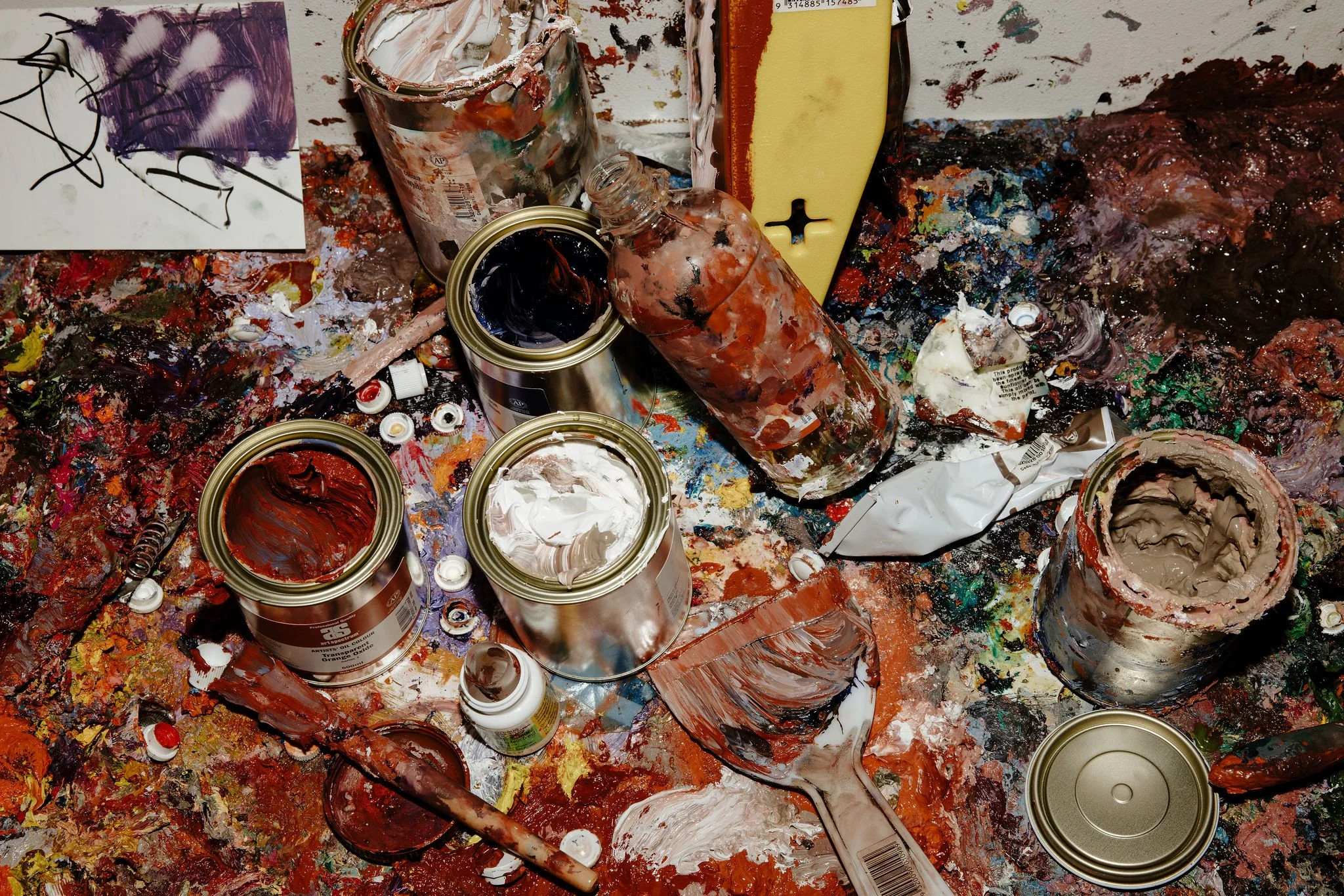
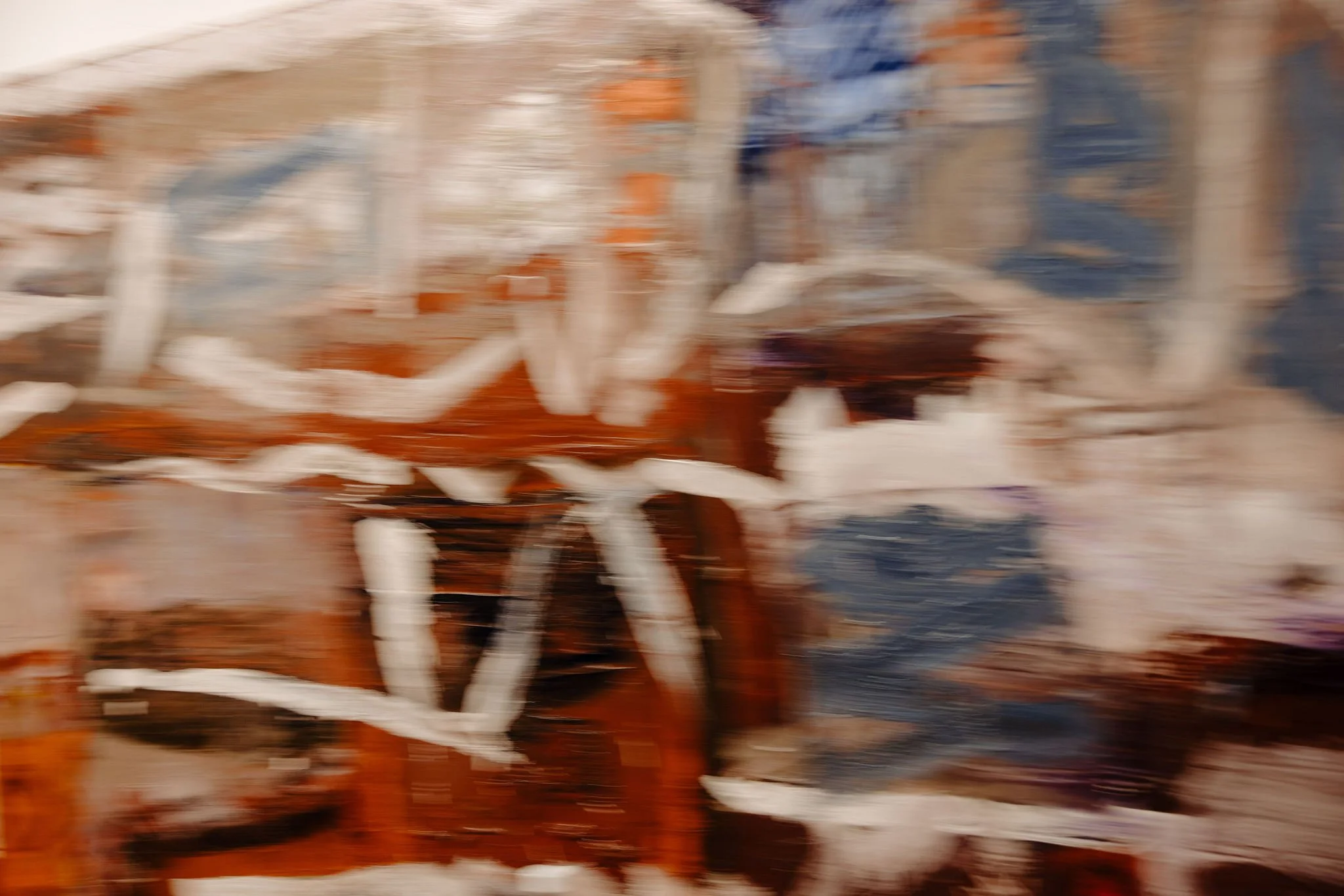
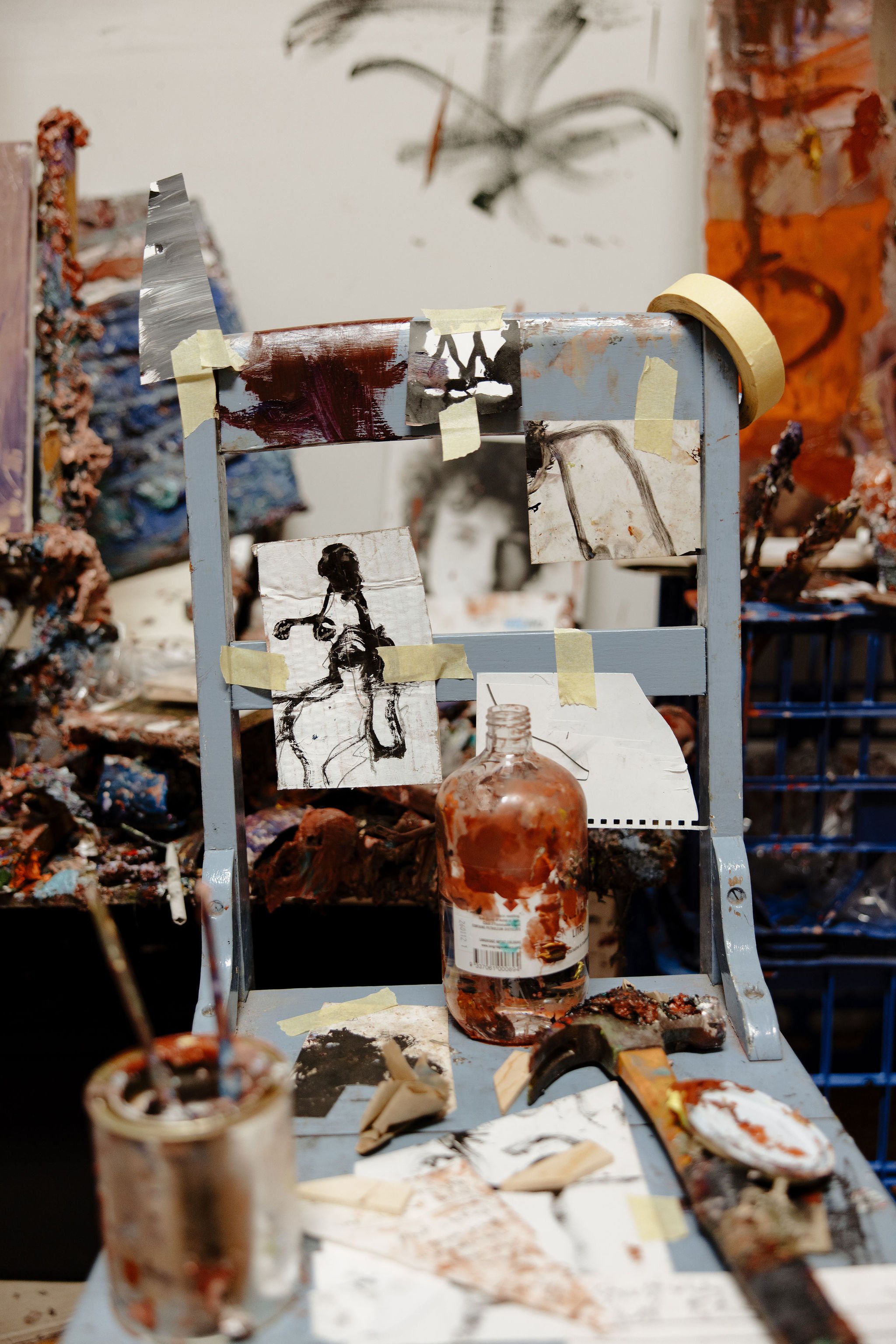
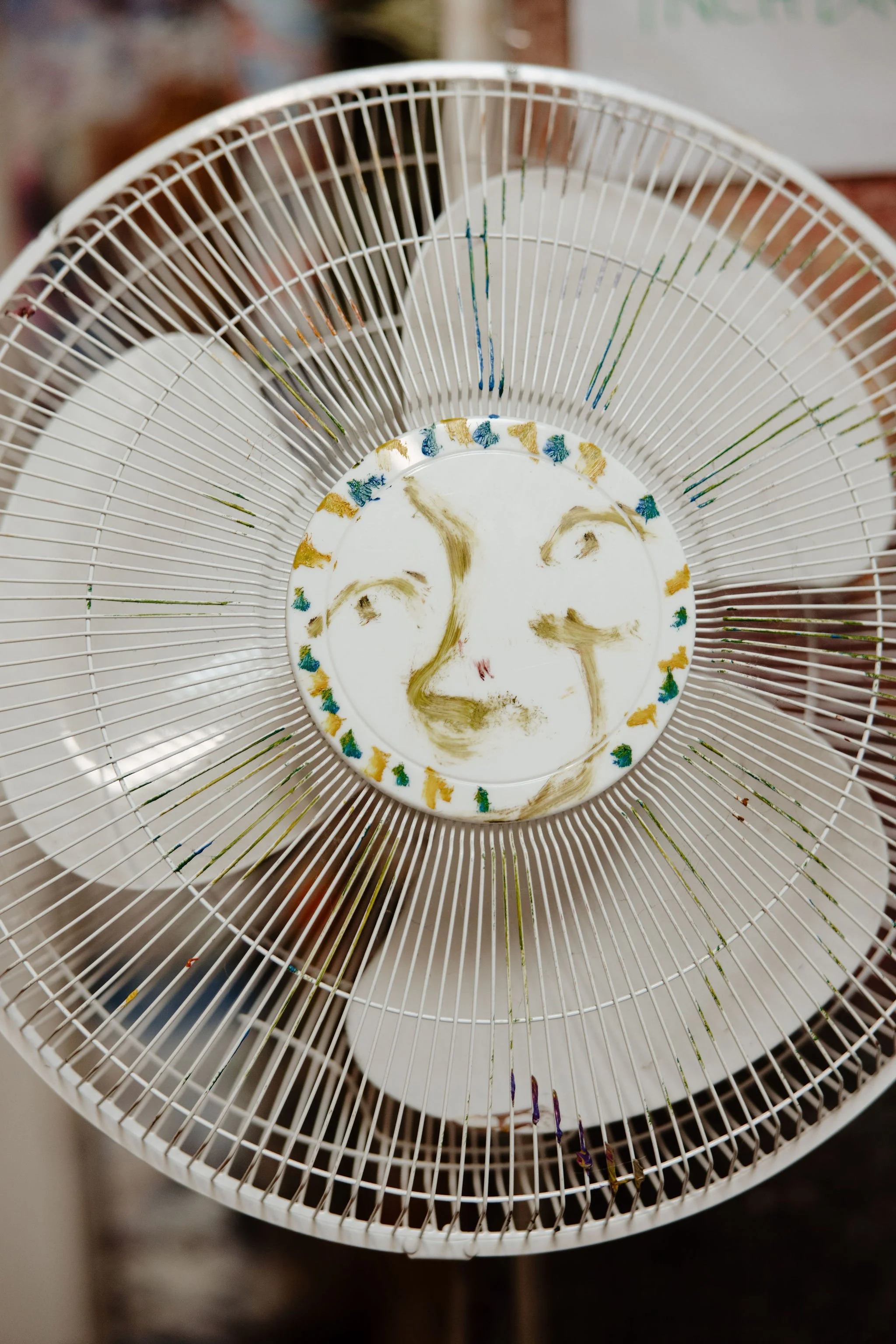
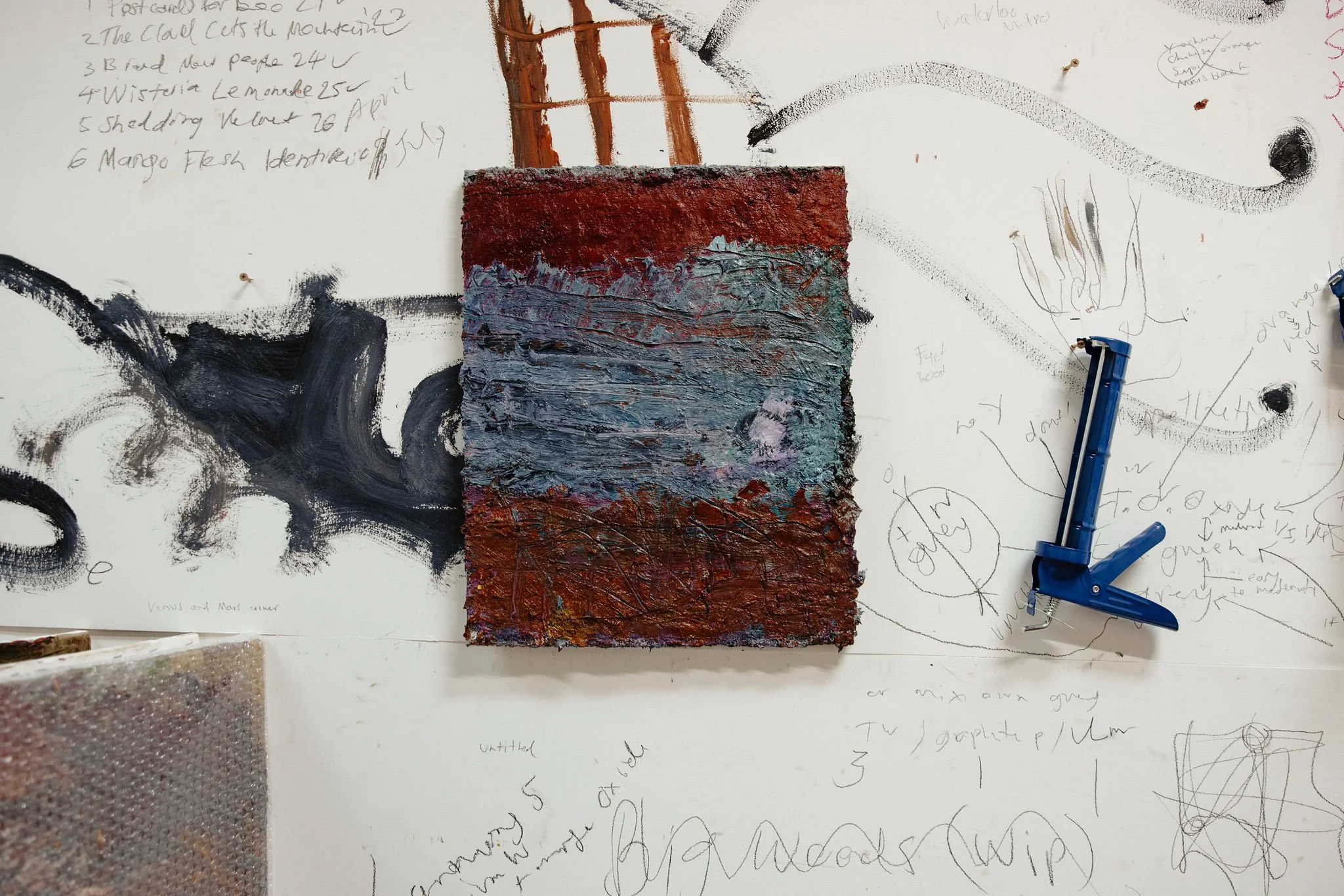
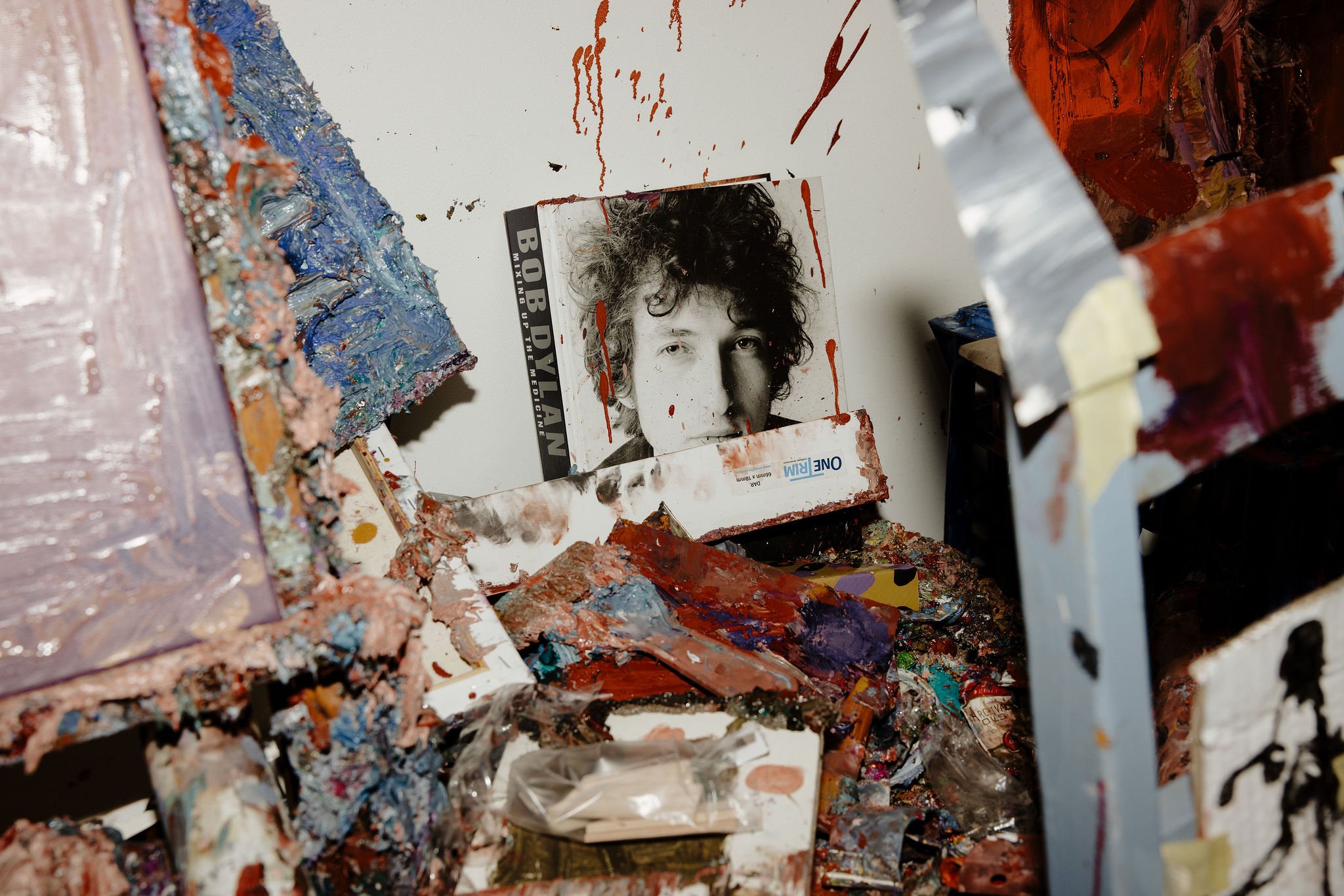
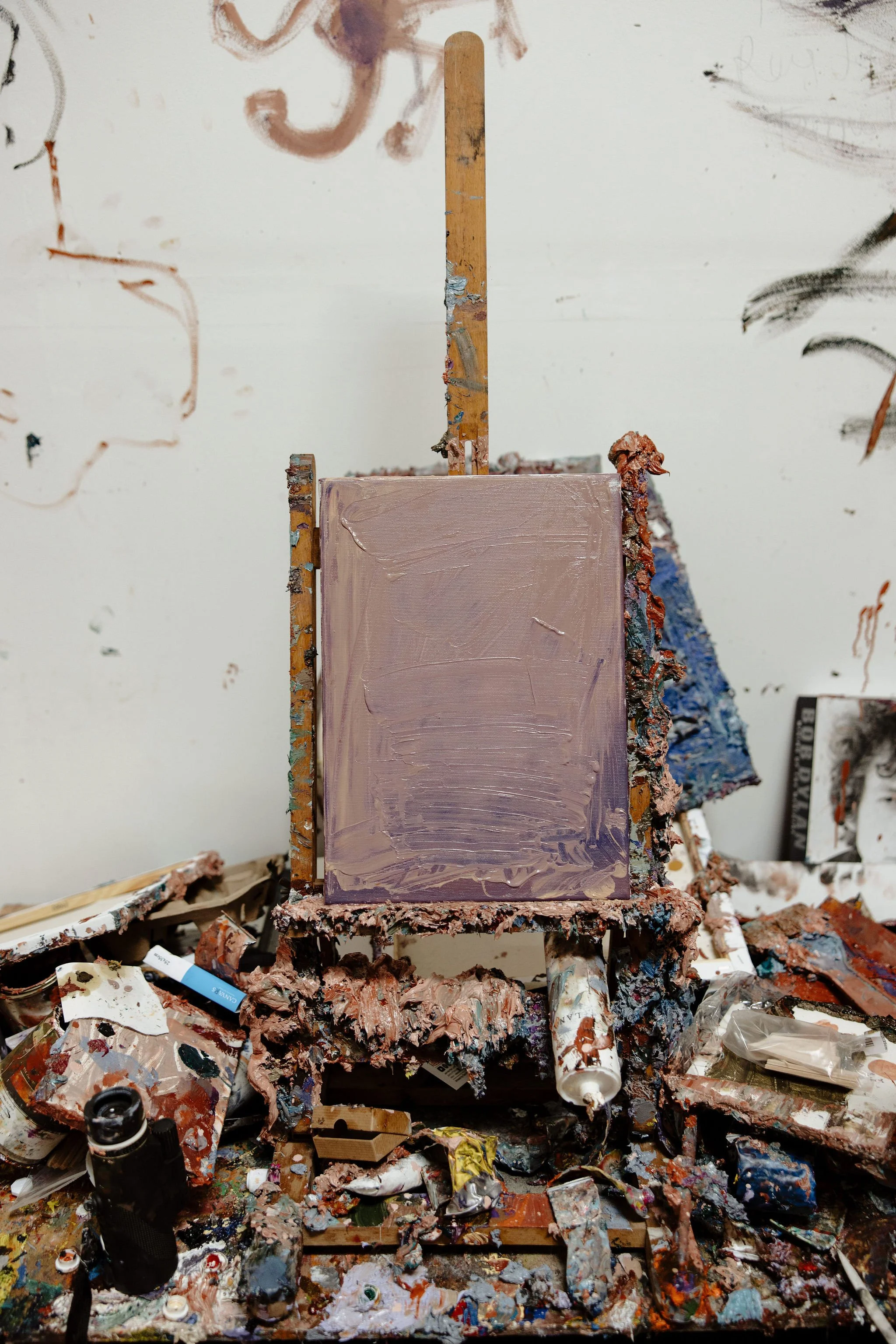
Texts 1
Two exhibition statements followed by transcribed studio notes (2025-26).
-
Usually by the time a canvas is up and I’m putting out colour, the images have started. Like a projector’s started and going. I get images the rest of the time - pictures in my head, the same as anyone. But the imagery when I’m about to step up and paint and the ones that happen in the painting come on stronger. Maybe I'm just paying more attention at the easel. They make me feel certain ways. And it is that growing feeling and the sensations that come in the wake of imagery that are the reason I paint. Even what I paint. Some days I even see a way forward. Some days the feeling of painting is so overwhelming that I want to cry out and stop going. Then I try to go further and further again. But standing at a painting and landing blows is just another way of thinking things through. It’s when I have gone beyond thinking, when I’m really possessed by something outside of it - that is where the work seems to happen.
-
I work a picture very hard and for a long time, sometimes a very long time — years. For me it isn’t about seeing a thing and painting it. It is about finding that thing in the active paint and seeing it in the work with total, sudden clarity, likely in surprise and desperation. This thing must be real — and it must be new and alive, with some actual living quality and intelligence. If it is a picture of a human being then the paint must take on flesh. All this is fleeting and momentary. It is like finding and losing and finding again a single grain of sand in your mouth with your tongue, over the course of maybe a year. And so it has all become very impure and nothing to do with any independence from reality and more to do with finding it. It is a kind of search and in it and amongst the uneven bracken of months of paint eventually forms or associations give rise to figuration, all out of impurity and all that material. Sometimes the clarity is frightening. You have to go a long way for any of this but eventually these braids of paint and these horrible twisted knots — they either start to hold in them objects and they become something or they are elusive, even recalcitrant in their refusal to commit to matter. If you can call that a process, that is mine. Painting hard at this object until things appear in the muck and then pushing that right to its furthest possible extremity until it is an image.
-
In the end a painting is only ever what you can tolerate. I think that is what quickened my blood making this work. Pulling up early on a picture and stopping before the definitive aha moment of it being over for sure. To let the active paint remain that way. Let the dead, blunt areas remain so. However grey or muddy. Proof of the woodenness of resolution in imagery. This kind of painting stings. There’s an element of shock. Or of something very unpleasant. You have to get used to them, these new ones. Or I do. Learn to cope with them, tolerate them as they are. And know that they’re better for it.
-
Painting is crisis and it is a verdict. Every painter must have something to come up against, which means taking up a position. I have come up against my share in painting and in my life. I have plenty to contend with. In that sense my work is endurance made visible.
-
Who knows who authors a painting. I am there but also not there. Thought exits and it is no longer a match between myself and the image at hand. This sort of beautiful structure begins to accrue feeling and therefore begins to mean something. But this too is changeable. How the work looks is also how it was made. Who knows why some paintings feel like an intelligence. As though it would hurt to cut them.
-
To copy nature is impossible. You walk past a tree and there are ten million images and they are moving. Joined by memory. And so a view is not really a view. And I suppose an image is what we resort to consolidate these distortions. The longer you look at a blade of grass the stranger it is. The same of a person. And eventually the same of a painting. This colourful mud nudged around with a hairy stick. An image in which how it is made is also how it looks. And therefore to do with what it means.
Filmwork
2016 — 19
Polymorphia, Alice Eats Breakfast & Caligula’s Knee
Three films written, directed, produced and edited by Edward Inchbold.